How To Get Your Money Together in Your 20s with Michael LaCivita CFP
TRANSCRIPT
Josh Felgoise (00:00.204)
Welcome to Guy's Set, a guy's guide to what should be talked about. I'm Josh, I'm 24 years old, and I'm here to find all the tips, advice, and recommendations for everything you're wondering about. Let's get into it.
Josh Felgoise (00:18.062)
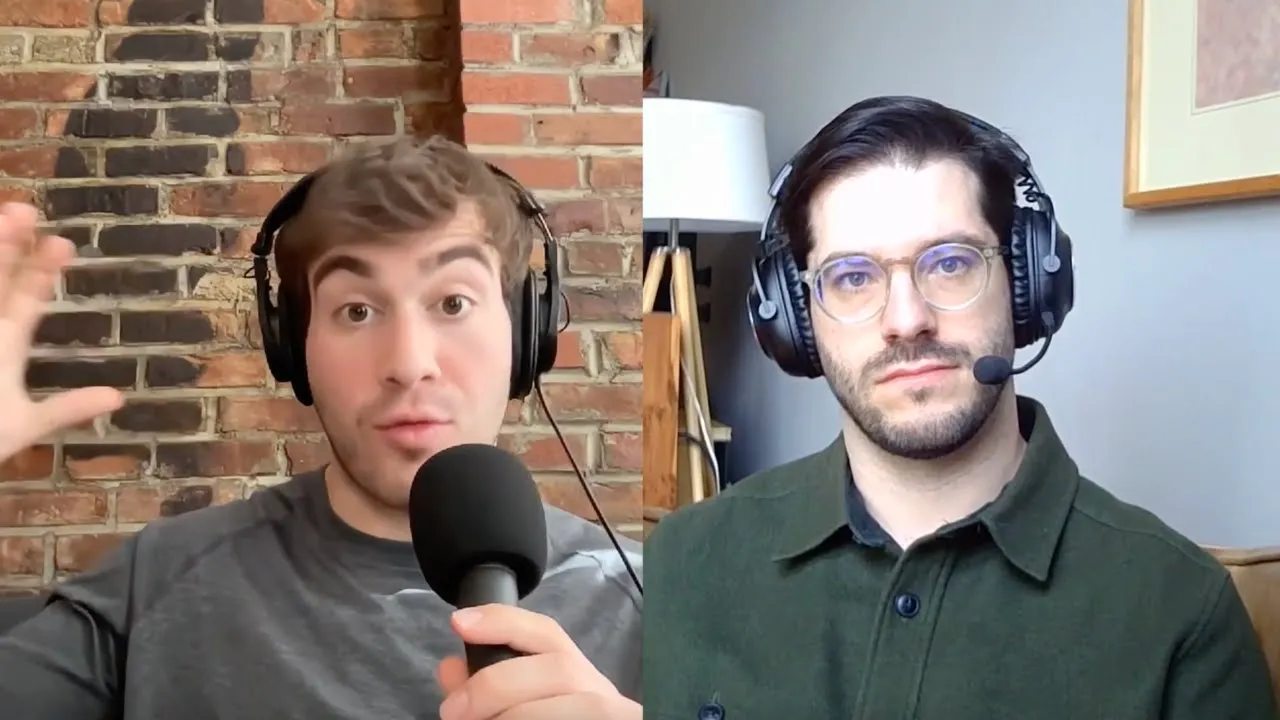
Hi guys, welcome back to guyset, a guy's guide to what should be talked about. Today I am joined by certified financial planner, Michael Lassavita. In this episode, we talk about everything that should be talked about, about finances, money, understanding your money, what to do, where to start investing, where to start in general. We go through so many different scenarios that you will most likely find yourself in one of them. We talk about starting a new job.
moving to a new city after college. We talk about your first year getting a promotion, getting a raise, leaving your job, losing a job. We talk about pretty much everything and what to do in terms of money and finances in all of those scenarios. You'll most likely find yourself in something in this episode. I think Michael is one of those guests that I think is perfect for this podcast. He shares really practical and tactical advice and tips and tools that you can apply today to your life.
that will create value for years to come. I'm so happy with this conversation. I learned so much myself. I think you will too. And I'm so happy to put this one out. Without further ado, please welcome Michael Lassavita to Geisse.
Josh Felgoise (01:37.094)
I don't talk about personal finances so often on here, really rarely ever. And I think it is absolutely something that really should be talked about more for young guys, guys in their 20s. And I think it's incredibly important that we do and that we're more open about our money and we talk about it more often and that we know what's going on with it. We know what's coming in, what's going out, and we just have a handle of it. And I personally wish I had started earlier.
with my money, with my financial journey, investing, with understanding finances. And my dream for this episode is that you and I can inspire somebody and give them the tools to start today so that they don't look back in regret and wish they had started earlier or wish they had done things differently and that they could have understood it earlier. So I want us to give them the tools today and that.
they can start now and know that they started today or tomorrow or the next day sometime really soon in the future. So tell us a little bit about who you are what you do give us a brief background of you and your credentials and then I'll get into all the questions I have for you. Sure absolutely. My class of data I'm a financial adviser been in the industry about 11 and a half years at this point started my career back in 2013 after I graduated and really.
As I work my way through the industry, I've accumulated this knowledge working with individual investors and families. My background is really focused around investments, but also financial planning, right? Building a financial overarching strategy to get you from where you are now to where you want to be in the future. little bit about my credentials. I'm a certified financial planner. And what that means is a course of study and a test on the knowledge that you've received.
as well as the ethics around financial planning for individuals, families, businesses. And it focuses on the main areas of someone's financial life, right? Which is, you your investments, your retirement planning, taxes, estate planning, insurance, cash flow, all the areas that make up your money and your financial picture and how it all has to come together into a plan that's personalized to you. So, you know, that's what I apply in my skill in my day-to-day practice is helping to people who have
Josh Felgoise (03:55.778)
questions about their finances, have a plan with their money, or don't have a plan at all and want to get to where they need to be. So really that's my background. What inspires me and I'm passionate about is being able to help people day to day on a topic that everyone has questions around and needs help around, but is often unsure what to ask or not comfortable asking. So, and that's, I really love to be able to help people with that aspect of it.
What are some of those questions that people are uncomfortable asking? Like, what are those common questions that you're getting on a day-to-day basis from clients? Sure. mean, the big one is, you know, am I on track? Right? Am I OK to do what I want to do, to retire, to buy a house? Am I saving enough? Are my investments set up the right way? Are all really common?
Am I missing something right? Am I missing some piece the puzzle here that I'm that's leaving me away from where I a big part of where I need to be. So those are the most common ones and they all have ready solutions. We can help you with them. But yeah I'd say that's really common to most people. And what are the biggest mistakes you are seeing clients make in terms of money and their financial situations.
Absolutely. The biggest mistakes are people just put it off, right? There's there's concern. There's there's aversion around something you don't feel comfortable doing. And this is case with almost anything in our lives, right? Like exercise. I'll give you an analogy of like going to the gym. Like I don't like doing my abs when I go to the gym. Doesn't feel good, right? Like I don't enjoy it. But the reality is it's like the thing that makes you most uncomfortable often is the thing that you need the most. And that really applies to money. There's a lot of shame.
There's a lot of aversion around money in our society and individuals because of lack of knowledge or familial experience with money that gets overlaid into something that's really quite practical and very important. And I think that's the biggest mistake is just not addressing what you should be doing, right? And looking at your finances in a way that's, know, just data-driven, you know, and practical. Just looking at clearly objectively of like, what do I need to do? Where am I at? Where do I want to be?
Josh Felgoise (06:09.408)
and then start checking off those boxes of what you need to do to get there. Yeah, I really like what you said about the aversion and the shame around it because like there really isn't a great way to learn about money unless you have somebody in your corner or you have a financial planner or you have your dad's money guy who you've it's kind of been just like passed down to you and you don't know if they're even doing the right things. But like that's just what you're told to do or what you're expected to do.
And I mean, there's a lot of misunderstanding or just not an understanding of money in general. So why why do you think outside of like shame and aversion, money and finances and investing are topics that people steer away from so much? And why do you think it takes people so long to start? Well, I think one piece, the big piece outside of, know, your background, your experience, the emotional baggage that can come around money is a lack of knowledge.
We're not taught anything about finances as part of our primary school education like at any time Which is hugely detrimental when it comes down to waking your way in the real world Okay, rubber meets the road. You have a job. You've got this cash flow. You've got expenses. How do you organize it all? We're not taught any of that. So I think the big thing is I don't blame anyone for not feeling comfortable because there's no knowledge around it Which is a shame because it is so important to have a you
strong financial plan, a strong position where you need to be. Other than that, think there's just so much there's sometimes over information overlord, or excuse me, overload in the industry, right? There's just so much out there on the internet, TikTok, you Instagram, where there's, you're getting all this information, but like, there's not a real laid out central source of, okay, what's most important? What are the steps I need to follow to go from not having any plan or any idea what to do with my money to a
plan that works for me for where I want to get to. I think that's lacking out there in the industry. Unless of course, like you said, you have an advisor that's your credential, knows what they're talking about and can work with someone who knows your situation. yeah, I'd say it's just the lack of knowledge and over information, overload in the information and the data that's out there. think that's a great segue into my next kind of line of questioning I have for you. And it is it's about like,
Josh Felgoise (08:36.046)
How do you start for somebody that has no idea where to start and feels like they don't know enough? They feel this this information overload. They feel like they don't even have enough knowledge to begin with. What do you tell that person when you what do you tell that person first of all? And then what do you tell that person when you sit down and make a plan with them? But take the first one first. The first thing you got to start with is, you know, where are you right now? Right. Like so what do you make? Right. And most uncomfortably.
for everyone, what are you spending? The number one thing you can do is figure out where does your money go in a month, right? Which no one likes to do. It's not comfortable because it does force you to look and say, wow, this is shocking how much I'm spending on going out to eat. That coffee every day really does add up, right? And I don't like to get into the analogy of the avocado toast. That's ridiculous for what's taught about in terms of.
Millennials, why can't they afford things? There's much bigger things at play than just that. But the reality is in your day to day life, very often there are small things that add up in big ways. So I think the number one thing is starting with where are you at? What do you make and what do you spend? And then start to think about what you think about those big picture things. What I want my life to look like right down the road. What does retirement look like for me? What does financial independence look like for me? What are my hobbies, interests, life experiences I want to have?
that are important. Do want start a family? Do I want to own a home? Do I want to be able to travel? Where do I want to travel? When I, if I could do what I want to do with my life in terms of work or just what I'm doing day to day, what does that look like? And that's going to, I think there's not enough time spent on that when folks come and meet with me and sit down of like, what does my mind look like? Well, folks, many people spend their time working, right? Saving their money and they sit down with me and I ask them, what does your life look like? And it's just shrugged, but I don't really know.
I think having a clearer picture of what you want to do is going to help you draw the day to day habits and activities to that long term goal. And it's going to help me as a financial advisor and personalize your plan and draw them all together as well. Right. It just helps me understand you better when you're working with an advisor when I know what you want to do with your money. Right. What percentage of people that you work with do you think know how much they spend on a daily weekly monthly basis. Less than 5 percent.
Josh Felgoise (11:01.164)
Yeah, right. Nobody. Yeah, that is that is staggering. And like when I sat down to do it, my financial plan, I was like, I don't know what I spend and I don't want to know. Like, I don't want to look at it because it's it's just like, that's too much. And it's kind of embarrassing. Also, there's like a piece of that, too, that I think people feel for how out of control they may have been last month or like an expense that they they
bought and they just were like, like it was, it was worth it right then and there, or how many drinks you bought at the bar. like another big one for people my age, how much you spent on dates, dating. so what do you tell the person that's feeling that like kind of aversion, that embarrassment that like, know where to start. don't want to, it's all that, like that feeling. I think the big thing is you can't dwell on the past too much. it informs us about the future, but I think it gets back to that shame and aversion thing.
the more we dwell on our past decisions and then focus and live in the past, the less likely we're going be able to want to live in the present or plan for the future. Right. And so I think number one is to understand, when you look at your finance, look at what you spent last month. No, that was you last month. Right. It was what it was. What am I going to change now that's going to address that? And it doesn't need to be a big thing. It doesn't mean you don't need to start with.
I'm not going to go out and have any drinks. I'm not going to hang out with my friends next month. Don't do that. Definitely go out hang out with your friends. Definitely go out on dates. Do all that. But then you have to look and see, am I directing money towards some areas that I could cut back on that's going to facilitate that part of my life that I enjoy? And very often the answer is yes. Sometimes it isn't. Sometimes it's, actually things are tight right now. I can't do everything.
but I want, but that's okay. And once you start there, then you can start making plans towards, how do I get to a point where I'm doing all these things that I want to do? Right. But I think that number one thing is when you start on that process and it can be as easy as just go over your bank statement for the last month, whatever you use, if you use a credit card, like just download them at the end of the month that they send you a little notification in the email that says, do it, look at it and just go through it, tally it up and see where you end. start there. And then if there is something that's a little.
Josh Felgoise (13:17.526)
Shocking, eye-popping. Just work through that, feel that, like note that, but then don't hang onto it or beat yourself up about it because, we've all been there. I can tell you when I was starting out working, right, and I'm starting in the financial industry, there's been times where I overdrafted my debit card. I was like, and that feels crappy. And you're like, but that is a thing that motivated me to go, I need to see what I'm spending, right? I'm spending too much, right? And so that really was a catalyst for me to change my own behaviors about my spending and my relationship with spending to where
that doesn't happen anymore. And so if you're having those moments that feel uncomfortable, don't run from them, but embrace them as an opportunity to change yourself. Right. And I think that's the big thing too, that most uncomfortable, the most uncomfortable feelings often can leave them the biggest changes in our lives for the positive. Yeah, absolutely. And what would you tell, I mean, what are some of those little areas that people can cut back on or work on fixing? Like start there. Yeah. Yeah. I think the big ones are
I mean, if you're going out and getting a coffee, a coffee is a big thing. Like coffee is expensive. Like the other day, um, I live out in Portland, Oregon. We got a lot of good coffee out here, but I looked at the price for a, like a medium latte was $8. That's insane. That's insane. Like think about what is the constituent components of coffee? is water, beans and milk. Okay. Like none of that in 16 ounces should be $8. Okay. So
when you have those moments of like, that doesn't make sense. Like, listen, listen to that. And then like, that's really for me, like making your own coffee saves a lot of money if you drink coffee or tea or whatever, just do that. If you can make your own food as much as possible, do that, right? Rather than going out to you. And I know everyone's busy and if you're, you're running around your job and all that, carving out the time to make your own food saves tons of money. It's healthier and you're going to learn a new skill, which is cooking, right? Like,
That's a huge one. Keeping track of how much you're traveling, depending on if you live in the city, so you're using the subway or are you using taking Ubers everywhere? Or can you walk? Can you bike? These are all things. Uber transportation can add up a ton, especially if you're young, working. That's huge. And then finally, just keep an eye on those areas of weird spending, Amazon.
Josh Felgoise (15:43.566)
is can be brutal. Like it's so easy to go out and buy something on Amazon. It's literally two clicks. They've made it as simple as like even one click sometimes, right? So be really careful with how much you're spending and anything. A good rule of thumb is anything over like a hundred dollars that you're going to spend, give it like 72 hours before you buy something, that thing. And that's a rule you can set for yourself is do I really want that? Right? Do I really need that right now? Can that wait a couple of months? That's a helpful way to.
start putting some things in place. think those are really, really helpful tips for somebody my age, somebody a little younger, somebody a little older. I think those couple things can be really beneficial to everybody. When you sit down to start with somebody, a new client, walk us through what that conversation looks like with a new client you bring on. First off, just get to know them.
Where do they live? What are they doing for a living? What's the family situation like? What's going on in their picture? What do they got going on? Are they married? Are they single? Do they have kids? What do they do for a living? How much do they make? We're going to get into that, number one, how much are they making. And secondly, the big thing is what questions are they at? What concerns do they have about their finances? Why are we sitting down in the first place? Because I don't know. You sat down with me and you want financial advice. That could mean a whole bunch of different things.
So just help me understand what is going on in your situation that's got you here. Can we walk through, go ahead, sorry. You first, I'll ask my question after. I want to ask you to walk through a scenario with you. sure, sure, Yeah, so then after we get to know them a bit, build out the picture, I just ask a lot of questions about their lives, what they want, what they're needing. We then start to get into more specifics. We drill down into what do their investments look like? What do they have in savings? What are their debt situation?
You know, do they want to retire? What does retirement look like for them? If they have kids, what's the plan for educating them? Right. What are those medium term goals they had in the next, you know, two to 10 years? Are there any big purchases like that's home purchase, buying a car, like taking big trips? Like what does that look like in their financial pictures to like, and then inform, you know, what, what, what steps we need to take today to get there? I'd love to do like a scenario of somebody kind of similar to my age.
Josh Felgoise (18:08.142)
and walk through like what this looks like for them. So you want to start or should I start? go ahead, Josh. Yeah. OK. Hi. I am 20, let's say 22, 23, 24, somewhere in that range. Just graduated. I'm moving from college to a new city. I am making somewhere 70 to 120 thousand. Should I pick one or is that like a fine range?
Let's do 100. Let's do like 80, 85. Because that more normal. That's probably an average salary post college. 80, 85, single, living with one or two other people, roommates. And I want to get my financial picture in order. I want to start investing. I've never invested before.
I don't know anything about my money and I want to start because I feel behind already and I know that there's power of compounding. I don't even know what that means, but I know it exists. What do I do? Yeah. Josh, thanks for sitting down with me today. I'm going to start. I'd like to start with this. You know what city I'm moving to? What? When do you start? When do you start your job? What's to start there? I start my job in two weeks and I live living in New York City.
New York City, awesome, great. What part of New York you live in? East Village. Okay, awesome. What are you going be doing for a living? I work in, let's say, tech. Tech, okay. When you think about your finances, what gives you the most concern? What bothers you the most? When you think about your biggest area you get help with, what's on your
The fact that there's so many apps out there to start investing with that I haven't invested in the first place. I know I should be. There's also like, I don't know, there's crypto and there's the S &P 500 and all these things exist. And I don't know what to do with my money, how much I should be saving each month. I have a lot of anxiety about all of this and a lot of questions. And this is this is pretty much me two years ago, by the way. Yeah. Yeah. Yeah. Well, I'd like we I want to start with just, you know,
Josh Felgoise (20:28.394)
Let's make sure, do you have a checking and savings account set up? Like baseline? No. Is that so? No. Okay. So we got to get that set up. Let's make sure you then, I would pick a bank that's going to be local to you. Now you're in New York, so there's going to be a lot of different banks you can choose from. They're all kind of headquartered there, Wall Street's there. So pick a bank that's going to be useful to you, that you can, that's nearby. You can get ATMs if you need cash. and, and start, let's start with opening up a checking and a savings account. Do you have any credit cards? I do. I have a credit card. Okay.
Let's be really careful about what we're using on that credit card. Like, is there a balance on it right now? Yes. OK. How much how much on that credit card? So in college, I'll use me. I had a discover card for my first two years because that's all I could get. And that's like where that's like your starting card. Right. Like that's. Yeah. And so I had a discover card and I moved up to a Wells Fargo card. OK. Gotcha. How much is on that card right now? Is there a balance? You're carrying a balance from college on.
That means like I what I've spent so far. There's my is there money is there like money that you've spent that's on a given paid at all and haven't paid off. No, I've no balance. Awesome. Paid off. Rocking. You're doing great. So I want to check that because if there is a balance on a credit card that you're carrying over, we want to know that because that's going to be one of your first priorities is trying to pay that down because money coming out of your credit card is going to sap money from your everyday financial life without you ever knowing it. Right. It's going to it's it's negative.
So there's compounding, there's the issue of inflation, right? That is over time, prices go up, the cash we have in our bank account stays the same, but it's actually losing value because prices are going up, right? Now with debt, it compounds that by saying not only is the debt we own what we owe there, but it's going up at a much higher rate than inflation. So inflation is like a three and a half, 4%, debt is gonna be going up at 16, 20.
30 % depending on the credit card. Right. So that's rapidly inflating and getting in. We're losing a lot more of our purchasing power and our future self. We're robbing our future self. The longer we hold on to that, especially on a credit card. So that's number one. I want to know if there's any debt situation as you're heading into the workforce. Student loans. The other thing I want to know. OK. Yeah. So like you have any student loans from what you're working on. Well, two things. One is so what you're saying is if you have a balance on the credit card you haven't paid off. That's very bad.
Josh Felgoise (22:56.662)
It's not very bad. lot of people have a lot of people have debt. Right. The reality is don't look at it as bad. Right. I the word you're using bad negative it has a punishing connotation. We don't want to have that. Think about that's an area we want to address. Right. Not bad. Just that's an area that in terms of our priority list. Let's think about priorities. That's near the high. That's higher on the list of what we want to address. You're good at this. Yeah. OK. So let's say for the sake of the story that I do have student debt. OK.
So we want to know how much and we want to know if it's public or private loans. You don't have to know this all on the spot when we're working together, right? But I want to know that because if they're all public loans, there's a little more leniency. They're typically interest rates are going to be lower. That means your interest isn't going to be piling up and your debt is going to be growing as fast as if you're having a higher interest rate. So, you know, often people have a combination of public and private debts in their student loans when they come to me. And so we want to know that situation. How much is the total amount? What are the interest rates?
And then what do we want to start to away at? That's going to help me determine what we're going to chip away at first. Because we want to pay off those student loans eventually, right, down the road. It's not going to be a one year thing. It's not going to be a two year. It's going to be a multi-year plan to pay off those loans. And that's, again, a lot of shame people have for having this debt. Or it's talked about a lot. I have this student loan and I'm never going to get over it. That thinking will perpetuate the loan in the future.
rather than taking ownership and say I can pay this off with a plan and with a purpose and down the road I'll make more money. Right. I'll advance in my career if I plan myself right and get myself on the track I want to be on and I'll have more ability and flexibility to pay them down. So I want to know that loan situation. So is there anything outstanding that's money that's owed that we need to pay off. That's that's number one that we want to figure out. Got it. And then on the other side of that let's take the person who doesn't have student debt or any loans. Yeah.
So that's if you're all know no student loans no debt. We're to start with let's establish a bank account bank account credit card or credit card debit account and a savings account checking savings account. We're also going to want to set up a high. And that means by the way going into the bank right. And going to the teller and saying I want to open a savings and checking account. Exactly. Yeah. Going in going to the bank having that getting that set up getting it all squared away.
Josh Felgoise (25:22.166)
You get a debit card, you'll get for your checking account, which you can use and then they'll give you checks. Nowadays, no one uses checks really for anything, but they'll give you a checkbook probably. So that'll be you have that. And then from there, you're going to that will be your main way you're going to be buying things. there any difference in picking a bank? Like there's kind of for some reason consideration around which bank to go to. Does it matter where you go? Does it matter at all? Nowadays? Not particularly. They all really offer most major banks are often.
pretty similar products when it comes to the checking and saving. what I like to look at is proximity, right? How proximity of ATMs, right, in case you need cash here and there. And then you can look and see, do they offer, do they have, like, ATM fees or, like, there's other things you can, it really doesn't matter all that much right now. I think it's more about just finding a place you feel comfortable with, doing business with. And, you know, for me, I picked Wells Fargo when I moved out to Portland, Oregon, from Michigan, because they're the most
bank branches around. So was easy if I need to run in and get help something. So that's what I would do. If you're moving to New York, you're going be in New York, they're all there. So it's just pick one that's nearby you. So you're going to start your job. When you start your job, make sure you, with your bank account open, you have all that information. You're going to set up direct deposit. Direct deposit means that your check that you get paid at the end every two weeks is going to show up in your bank account.
You know you're getting paid for your money. You're not having to go and take a check that that physical check that they give you Take a picture of it or take it into the bank. It's gonna make it simple and seamless So, know you get paid so set that direct deposit up. Okay. Yeah after that then we're gonna look at your Savings options right with your company doesn't have a 401k. That's number one. So what is a 401k? It's a retirement plan typically companies offer 401ks to allow their employees to
put money into a plan directly from their paycheck that will then you invest within that plan and will accumulate more wealth over time. It'll build and grow over time. A lot of companies will provide a match to your money. So for every dollar you put in, they'll put in a dollar themselves. It's usually a percentage based on your salary. So if you have a 6 % match and you put in $100 into your account, they're going to match it with $6. Doesn't sound like that much, but
Josh Felgoise (27:42.094)
Over time that'll grow and you know, that's quite a bit that it can be as you you know grow your wealth So you're looking if you have a match you definitely want to utilize it. So Why save into a 401k? Well, we've got to set this habit of saving for our future and a 401k has a Some built-in ways of doing that one. You can't take money directly out of a 401k without a penalty so there's a built-in like Barrier for us to grab that money if there's numbers
Which is really good. I think for us to have some like guardrails of this money is for my future I'm not gonna touch it for a long time, right? Yeah, there's also tax benefits one money that goes into that 401k can reduce your tax bill today and It grows tax-free when it's in there in that account So not being subject to taxes as your wealth accumulates really important and then lastly
you can set the percentage of your paycheck that directly goes into your 401k. So typically if someone has a match, I say at least let's start with just doing the company match, meeting the same amount. So if you have a 4 % match, do 4 % of your paycheck. Let's just start there. Gradually over time you're going to want to contribute more, but by doing that company match you're getting the maximum amount, that's free money your company is giving you. So that's part of your benefits as an employee.
Don't leave that money on the table. So once we set up your 401k match, right, that we've already got a couple of things squared away. Then what I'm going to have you do is keep an eye on your finances for the next month as you spend. Go out, do the things you're to do. Just keep an eye on it. Where does it end up? Where did you end up spending? Where did it go? Let's look into where these dollars are going. And we have some rules of thumb as far as how much to spend.
here and there and like what you should be looking at. But the really big thing is getting that habit of looking at where I'm spending where money is going going each month and how I feel at the end of month. Do I have a surplus? Am I at a deficit? If you have a deficit, we had to use our credit card. We know that or we overdrafted. So the big thing is we want to see a surplus every month that we've got money left over spending less than we make after we're doing our saving and we are doing our normal everyday spending. Right. Yeah.
Josh Felgoise (30:06.862)
With that, let's say we have a surplus. What do we do next? Let's give that money a home. The number one thing you have to do first is build an emergency fund. So an emergency fund is going to allow you to not have to rely on debt, not have to rely on a credit card. And it can be as simple as putting money starting off into that savings account we've established. So let's say you have $400 left over every month.
every month and we want to set up an automatic distribution of $400 into that savings account. So we're going to take any extra and build that up over the months moving forward to get to a place to where we have first minimum three months worth of your expenses. So what do you spend every month? Multiply that three. That's what you want to have. So if you're spending $4,000 a month, you want $12,000 saved in that emergency fund.
That'll mean if something comes up, hey, I've had emergency, there was a bigger cost than expected, you have it ready to go and you don't have to rely on debt to do it. And where do you put that emergency fund? Like where do you even hold that? So I think starting off with just, if you want to keep it really simple, it can just be in a savings account. But the next level move is to do something, open something called a high yield savings account, which your bank may offer. And that's something you might want to look at with your bank when you're making your selections. Do they offer a high yield savings account?
It just means it's a bank account that provides a higher interest rate than typical bank accounts. And so most banks are offering that now and they're in the three and a half, four percent range in terms of what your interest will be. Some companies online will offer a little bit higher like Marcus and Ally offer a little bit higher interest rate and they're all online, which you could have a totally have an online high yield savings account if you want. And you don't have to have it at the same bank. I think it makes sense
to kind of have it all in the same place in the same bank just because it's easy to move money in between your accounts. They're all right there. There's no delay. Let's say you have an emergency. don't want to have to worry about, it going to take three days or two days to get to my bank? I just want to move it in between instantly and get into my checking account so I can pay what I need to pay. That's good advice. So once you've got your emergency fund squared away, you're matching your 401k. Then we'll look at, let's start looking at investing then.
Josh Felgoise (32:24.43)
right? And investing is just really taking the money we have and putting it into a set of instruments or investments that are going to grow in the future. So what are all those investments? Well, stocks, that's pieces of a company, right? You're a partial owner. Um, and ETF fund, exchange traded fund. That's a bunch of different, your own shares in a bunch of different companies, right? Mutual fund. Same thing. We want to start with ETFs.
Like ETFs mutual funds, you're going to find mutual funds in your 401k. Yeah, it's usually your plan is going to provide a list and you're going to select a variety of those. As an advisor, I'd let you know what you'd want to do. Of course, online, there's a lot of guidance about this. I won't get into the super specifics about what funds do I buy, but ultimately, we want to start whatever money you're putting in your 401k, you want to invest it, right? And working for you, not just sitting in the cash option that's in that 401k.
when we're using extra money that we've say or that we're earning, right, we've got that surplus, we want to put it into a brokerage account. So there you can go on to there's so many different brokerage account options, but ultimately I'll talk about a couple Charles Schwab is great, Fidelity, Vanguard, all those offer really low cost options to open an account.
and they offer a huge wide range of investing choices. Now there's smaller companies that are out there too that are maybe newer like there's Webull and there's these other companies you can use, Robinhood. The main thing is just looking how much does it cost to open an account and how much does it cost to close out an account, which you shouldn't be doing, but just look at there's any fees that are related to putting money in, taking money out. It's all stuff that you can investigate as part of your process.
In the same way you have a direct deposit from your bank, from your company to your checking account, you want to set up a direct deposit from your checking account to your investment account. So we pick an amount, we'd work and say let's move $200 of that surplus every month into this investment account. Once it's in the investment account, we're going to pick out a series of easy investments that you're going to be able to follow yourself and build a portfolio.
Josh Felgoise (34:36.558)
You know, three or four different exchange traded funds is plenty for a well-rounded portfolio. So the great thing is we live in times where it's very, there's lots and lots of really good low cost options to invest. And once you get through some of the jargon that comes around with investing, it's rather easy to manage your own wealth and have the tools themselves are very simple to work with, which is great. It's just getting through some of that jargon and that language barrier that's out there in the financial industry.
This is so, so awesome. And it is exactly what I would have wanted to hear when I was graduating college and starting a new job. Like this is exactly what I was hoping this would be. And for the guy now, let's say he's a year into the job. He's finally saving some money and wants to start investing and building a portfolio. What are your recommendations?
for like which funds can you share some recommendations? Yeah, so we wanna stick with low cost exchange traded funds, right? If you Google that, you're gonna find a ton of different choices online. There's reddits on this, there's a lot of different stuff and pathways to go down, but I would focus on a couple different options. Like Vanguard offers something called VOO, right? And that's just gives you exposure to the S &P 500.
The S &P 500, it's the 500 largest US based companies all in one index, which is just a way of tracking their prices and how they're doing at any given time. something like VOO or IJR is another one, right? They all do the same thing. They give you a piece of all those 500 companies when you put your money into their fund. The reason why we like doing that versus buying individual companies, individual companies have something called stock
specific risk. An individual company can do all sorts of things. It can go up, can go down, like anything can happen to an individual company tied to how they're doing. It's a lot less risky to own a basket of companies rather than just one. It's just the old saying, we're not putting our eggs in one basket. We want to put our eggs in multiple baskets all over the place. So VOO, that's a really good place. Just the S &P 500. I want to keep it really simple for right now.
Josh Felgoise (36:59.07)
Then what we want to do, there's a couple things, right? Once you have your money in that invested, just keep adding to it, right? Just keep adding to it. It'll grow over time. A big thing that you want to learn as an investor is control of your emotions. Like investing itself, the steps of investing are not hard. What is hard is the emotions that come with investing. And I had the gift of working at a company when I started,
that was really focused around the emotional side of investing and that our behavior shapes how we, how successful we are. So we, I'll get you, I'll get you into some of the science here that comes into with investing, right? Is, you know, we are wired as people. We're natural. We come from the earth, right? We were, we were preyed upon as, you know, animals and then as early man, right? We had to deal with a lot of things like cavemen had to go out into the world.
face saber-toothed tigers and mammoths and wolves and all these things, right? And so we were really wired to be something called risk-averse, right? When we think there is something risky or a danger out there to us, we try to avoid it, right? So it's the idea of, you know, if we perceive danger, like if we were walking along and we see a stick on the ground, right, and we might for a second feel this motion, maybe that's a snake, right? There's that like
Well, that's because back in our day, someone we knew, right, or we saw, someone get bit by a snake that they thought was a stick, so we're just going to treat all sticks as snakes just to be safe. Now that works really well for survival, right, if we're out in the world. It's really poor when it comes to investing, right, because what we're conflating is the short-term risk or volatility of prices, right. GameStop or, you know, Ford or, you know, Apple are going to go up and down all the time, right, and sometimes by quite a bit.
But we can't say that, because those are going up and down, that's the same thing as financial ruin. It just isn't. But we're wired. We react the same way to it. So that control over our emotions and understanding our brain is going to try to trick us to do something that's not in our long-term best interest is a huge key that you can learn as an early investor. So knowing that about ourselves. And it's OK to feel that way. It's OK to feel scared when we look at our portfolio and it's gone down 20%.
Josh Felgoise (39:19.49)
But also understanding that it's quite common that that will happen. If you're in your 20s, that's going to happen multiple times. Every two years, you're going to see that at least. So think about that over 20 years. You're going to see a ton of fluctuation in the price of your portfolio. The sooner you understand that that's normal, it's OK, and the right reaction is to just ignore it. Don't act on that feeling of, pull my money out. my gosh, the house is burning down. Let's get everything out of it.
That's where people really hurt themselves when it comes to investing. That's where the horror stories come from, right? I lost all my money in stocks. It's not because they held onto their positions. It's often they sold at the wrong time, right? They perceived danger, their price dropped, they pulled their money, went to cash. Then a couple of days later or a month later, it shot right back up. And then if they just stayed their course, they'd be in the same place they started and then be on their path to earning more over time. What does staying that course look like?
When you're putting money into the S.B. 500 or one of those funds that you just recommended or said that are very common, what does that look like? Are you holding that money for 10 years, 20 years, 30 years, 50? Like, what does that look like for most of your clients and people you work with? question. So when it comes down to your 401k, you really can't touch that till you're 59 and a half, right? Or 55, depending on the plan. So that's really long term money. You can't even touch it. You can't pull it out without a penalty.
That's money, just leave it alone. It's multi-decade, 30, if you're in your 20s, you want to retire 50, 60, that's 30 years from now. Don't even think about it. Now for shorter term money, with a brokerage account, that's money you could pull out if you needed to. If you need to pull some money out or buy something, you have the ability to do that, you're not going to be penalized, you'll pay capital gains taxes on it, but there's not really that barrier of pulling out in the same way.
What I want people to think about when they're putting money into an investment account, this is not money I need for at least five years. Right? So if there's money that you're not not going to touch, it's money that you're putting away with a time horizon. Five years. This is for my future five year self. Okay. that I think is a good rule of thumb. Now, honestly, the longer you leave money in and the more you stay the course, the more wealth you're going to have. I have found in my experience, the people who look at their money, the least
Josh Felgoise (41:38.626)
That is after they've got their system all set up, are tend to be the wealthiest and the most peaceful about their money, the most relaxed about their money and dealing with the fluctuations are going to come with it. So the trick is, you we're going to be in, you're going to be inundated with a lot of information in the financial media, right? And if you're looking at your investments all the time, right? If you subscribe to financial Tik TOK or financial anything, there's going be a lot of updates and there's this churn in financial media to always have this, a story and something going on.
And that's really contrary to what you need to be doing as an investor, right? Which is doing very little over time. Investing is really quite boring if you're doing it in a passive long-term way. And so one of the key mistakes I think is getting, looking at financial media, getting triggered by it to look at your investments, seeing, my investments are going down. I need to do something now. That's the cascading effect I see that really is a problem. Now as an advisor, my job is to help if someone feels that way to call me up and say, Hey, what's going on, Mike?
Should I take my money out to say, no, don't do that. Talk them through why we need to focus on the long term. But if you do that and you don't have an advisor and you're working on your own, avoiding that whole cascading process in the first place is really key. So just rule of thumb. Once you're putting money into investment accounts, don't look at it for three months. Look at it every three months. Every quarter, take a look at what's going on with your money. And what you're going to find is generally, most of the time, it's gone up a lot more than you think. And you're going to look back in a couple of years, hey, I started with $200 going to account.
going into this investment, then a year later, two years, three years later, whoa, thousands of dollars now. Just from the fact of your this practice, that is the beauty of compounding interest. It works very slowly and in ways we can't really perceive in our with our brain. it doesn't it doesn't really see. But we have to have that long term focus that checking in periodically over longer periods of time is going to allow us to see it working for us. How much should you actively then have in your bank account that you can work with, that you can pay your credit cards with?
How much should I as that person even now have actively in my bank account? Yeah. So this will come back to your monthly expenses. I like to have a month of like whatever you spend there, right? Ready to go. So, you know, you're going to get paid twice each month, right? So or two times in a month, right? You get paid to pay most people getting paid to pay checks. It can be different for most people situations, but it's typically two times a month. I like to have a month there personally of like, OK, I know I spend this much. If you spend, let's say someone spends six thousand dollars a month.
Josh Felgoise (44:07.918)
I to six thousand my checking account and then I want to have another three three. I want to have you know three in my savings account my high yield savings account of my spending that way. You know you're prepared for the next month right. And you're ready to go. You can handle anything that comes up. You don't have to dip into your savings emergency fund if you need it. But that's about right as far as what to have in the checking account. OK cool. And then let's take that same guy again right. So he's been in the company for a year. He just got a promotion and a raise. What.
Does that change about what he does with the money? Changes in a big way, right? We've got more money flowing in. One of the key pitfalls that can happen is something called lifestyle creep. Boom, we got more money showing up in the bank account every month. That's awesome. That feels good. I can do more stuff. I can go out more and go more dates. I can buy more, go to nicer, nice restaurants, right? Hey, my buddies are going to this, you know, sweet bar. I'm going go over there. Like I'm going to spend a little bit more because, you know, I have more money and you should be able to do that.
I'm not saying live like a Puritan and not spend any money. Don't do that. You feel good. Enjoy life. But the number one thing you can start with is, can I raise my contributions to my 401k? That's a number one thing. Hey, can I step my percentage points up a little bit? That's really huge for planning for that future retirement goal for ourselves. We're funding more of that. We're going to get ourselves to that goal sooner or have more wealth when we retire.
So that'll be a conversation of, you know, start to move up the percentage points in our high yield saving, in our emergent, excuse me, retirement plan. Outside of that is what is the surplus I'm now gonna have with this new paycheck? Thinking about it that way. And so like try to live as you were and figure out like, now with this more money coming, how much more do I have? That's what you're gonna start to shove into that, you know, investment account, that extra amount you're making each month.
Then we're going to start talking about what are some of my other medium term goals. Let's say you want to travel and spend, go over to Europe. I want to go to Japan. I want to go to the Greek island, whatever, all this stuff people want to do. Start to set out those goals and figure out the cost of how much does it cost to go and do that each year. If I want to take three trips a year or two trips a year and it's going to cost me six grand to do all that, start to park that money in a separate account.
Josh Felgoise (46:33.58)
right for that trip and then know that okay I've got that money and work backwards I need I've got to earn you know I need to be able to go on this trip in summer and I've got six months to get there okay so how much per month do I need to sock away into my travel fund so that at six months when I'm ready it's all ready to go my trip is totally paid for I don't need to think about or worry about it can just enjoy the trip all right so that's where I would start to think as you get more wiggle room in your budget as you get more wealth is
start to put in those yearly goals you know you want to spend towards, right? And after you've taken care of your investing, that's going to give you a lot more control and freedom down the road too, in the way you conduct your life and do the things you want to do. That's super helpful. Yeah, that's great advice. And then it's one more year now from that, from that time. I'm either changing jobs or I'm in a period of like a lull. I've either lost the job. What do you tell that guy? Yeah.
If you lost a job, don't beat yourself up. Jobs are temporary. We're going to as millennials, know, or generation Z whatever, we're going to have multiple jobs. The age of working at the same company for 40 years, getting the nice Rolex from your boss at the end of it. Ain't happening anymore. We're all going to be in different careers, changing careers. And I would actually say, you know, think about changing careers or changing jobs. You know, don't, don't get, don't be comfortable at the same place. Like start thinking about looking out and check what's out there. I found in my experience.
the more jobs I've changed, the more money I've made, and the more better experiences I've had. So I would say from my own experience, I wish I'd changed jobs sooner at times. I started my career, worked like seven and a half years at the same company. That's pretty uncommon for someone in my age group. I don't know anyone else who did that. But in hindsight, I probably should have jumped a little bit sooner and made some changes to get some grow your network, all that. So number one, don't beat yourself up if you lose a job. It's a fact of life we're going to change jobs.
That's why we have the emergency fund. We plan for that, right? There's going to be lulls. There's going be times where we want to take a break or we just need to take a break and reposition. Like that's cool. That's why we have an emergency fund set up. From there, you know, you're going to have a, that's where we really want to get back to and keeping track of our spending is going to be really helpful for us, right? If we know how much we have to spend, then we know how much time we have before we have to start work again.
Josh Felgoise (48:57.966)
We can put it into time. Okay, well, I've got, you I spend this much. I have, you know, four months before I need to, I'm going to be not having any money, right? So I've got to work to get to that point, right? And so having that framework in mind takes the, there's anxiety that's always going to be around a change, right? But taking the money side out of it and going, okay, I know how much time I have. Now I can use this time and lull to ward, getting myself where I need to be. Yeah. And how old are you by the way? meant to ask this. 34. And how many jobs have you had?
Well, I've worked at well, I'll put it this way. I worked at four different companies, right so far, but I've had Let's see. Number of jobs have been one two three Like seven different jobs different roles, right all within the financial industry. Yeah, and I like what you said a lot about That that age of being in the same company for an elongated period of time is so gone And I'm seeing that a lot with a lot of my friends
Even before that like that two-year mark is like the you're supposed to stay in your job for two years And I'm seeing a lot of people not even do that. Some people learn it for longer some for much shorter Some have switched jobs twice once yeah even more and it's all okay and I think that's kind of part of this and Having the knowledge that you're sharing right now and the ability to understand your money and how long you have in between jobs and how
it's okay really to take a break or it's okay to have that little period is super helpful to hear. So thank you for saying that. think that's great. Yeah. And I'd say also take a chance. Sometimes you're young, like you've got time, roll the dice, do something cool. Like if you really want to work somewhere that's like interesting to you or do something, go and do it. Like, you know, the thing is what I see over time is people, you know, lose that sense of excitement.
Right? They get stuck in a job. get feeling stuck and they're not and people feel stuck sometimes, right? They have to do this. I have to work. I have this is who I am. They define who they are as a human or as a person based on their job. And it's just it's the means to pick it. Pay your bills, right? That's what a job is. And you're just trying to match your job and your career with your with your interests and your skills. And that's it. That takes time. Just like anything. You've got to figure out where you're good at. You need experience and knowledge and to test yourself, push yourself.
Josh Felgoise (51:18.188)
What I really like and see a lot of is that with younger people I'm working with is an interest of they want to be financial independent sooner than, you know, previous. So I used to work with folks who are in their sixties, you know, and retiring. They were much more of the minds of that. Hey, they stuck to their career. They worked it, worked it, raised their family, did their thing. And then they want to retire at 60 and do that process. What I'm seeing when I work with younger people in their thirties or forties, even they want to have financial independence. They don't want to have to
have to work at their job. They want to be able to say, I can leave, I've got enough money, I can live on this, and I can go and do something else. I can start my own business, I can take a break, I can, you I'm seeing a lot of people want to start their own businesses, which is awesome. I think it's a great way to have control over your time and your money, right? It's a big risk, it is a risk, right? But it's a tactical risk you can take if you plan for it the right way. And I think it's one of things that has been a great part of working with people is having that
excitement or lack of fear around starting a business. I think that's going to continue as they look at younger and younger people as they understand it's not guaranteed. Your job isn't guaranteed. You can be fired. There's going to be turnover or structural change. So the more nimble you can be or the more open to those different changes I think is really great for you. And just being a lifelong learner that you're open and you're agile and not feeling like I'm stuck and have to do this thing. I can do whatever I want. I have control over my life.
Yeah, and I think having an understanding of money is like the kind of key to unlock that feeling of I have control over 100%. I think those two things are absolutely hand in hand. Outside of that incredible piece of advice you just shared with everybody, do you have any other advice for young guys right now? Somebody in their early 20s, late 20s, anywhere in there? What is your advice for young guys today? We're living in an age of increasing loneliness.
And I think all around us, it's really easy to get this feeling that we don't know anyone. We don't have friends. don't have a, like we're isolated. And I think the number one thing you can do is go and find other people who are your same age or even a little bit older, right? And make friends with people, get involved with a sport, a hobby, an interest that you like, and try something that you're curious about or not sure. Just go and do it and try to make friend group. think the big thing is like, I've never had a bad time spending money with friends.
Josh Felgoise (53:41.132)
Like that's a great way to like spend your money and your time is having a friendship and a group of people that you like being around. And from that's going to come one, so much fulfillment and a reason to like do stuff at the end of the week, right? As you're working, you're like, well, I could go hang out with my friends or I get to go play the sport on Thursday night. Like that's awesome. Like I've, I've had the beauty of like being involved with a sport. I'll give you a little, my personal background. You know, I played rugby.
starting in high school and college, played at the University of Michigan, I played out here in Oregon. It has been a lifelong group of friends that I've been able to build through a sport that I'm like, I know I'm going to know these guys forever. And like, if I go and meet up with them when we're 50 or 60, it's going to be like, we never left. And I think that's what's missing. And I think about that, I'm so grateful because some people don't have that. And it's one thing that if you can go and find and nurture a group of friends that you really enjoy and water that.
like and really treat that as gold that you have that in your life, like nurture that, be around that, go and find that and seek it out if you don't have it. And don't feel bad if you don't. Like it's really hard nowadays to be young and have a friend group. Dating's crazy, right? It's really a challenge. I met my wife before Tinder, like Tinder I think got launched right when I met my wife, like in 2013. So like I heard about this stuff going on and it's like nowadays it's, it's really challenging to like meet someone because of
That the way we interact is through the internet and that makes it really hard compared to just go and meet someone out in the real world. And so I think don't get discouraged, understand like with everything is understand what's going on and you're not a bad person and it's okay to feel bad about these things, but what's the solution? It's going out, it's hanging out, it's finding people you like and trying some things that are different. And I think when it comes all in the money at the end of the day, money is just a means to an end.
It's just a way to do the things we want to do. We live in a world that's driven by money. We just got to acknowledge that. We can bemoan that, right? And believe me, there's plenty to moan in the world. But I think the number one thing we can do is just focus on, what can I do right now that's going to put me better on the track I want to be? I want to have a friend group. Great. Go out and meet some friends. Go down the street to the bar. Hang out with some people. See what's going on. If there's people playing games in a park, go and hang out.
Josh Felgoise (56:04.61)
figure this stuff out and go and do it and immerse yourself and try new things. And I think that's like the number one thing you can do is just more finding finding that fulfillment in people around you. The world around you is going to be kind of the best way to then couch that with all your money issues. I love that. Yeah. And I think that those are the best places to spend your money. As you said, you've never regretted spending money hanging out with friends. And I completely agree with what you just said there. What do you have any?
money or financial regrets looking back at your younger self? man, too many to count. let's see. You know, mean, there's things where, yeah, I personally, you know, I love clothing. I like clothes. Really easy to spend money on clothes. And I look at my closet now and I'm looking at all the stuff I have, like, I don't wear half this stuff. You know, it's not my style anymore. There's just so many times I'm like,
Why did I buy that too? Like, why did I think that would be look cool on me? Right. Like, it's just like, that doesn't make any sense. it's, think clothing's a big thing. I regret like buying so much of like, and it's really expensive and it adds up and it clogs up a space, especially if you're sharing with roommates and you've got a small area. That's to me in hindsight, I regret, you know, if like, yeah, I could have spent a lot less money on clothing and saved more of that or spend it on hanging out with friends. Right. yeah.
I think I started really early with saving really aggressively and that's because I had the benefit of working in a financial company where everyone around me is getting the same information right away. We're getting the data dump, the brain dump right away of here's what you need to do. You need to save money now. So, you know, I started saving like 20 % right away when I got in to working, right? And I didn't, it wasn't making much money. was making like, I think my first paycheck back in 2013 was like 45 grand. It was crazy. Like I was like,
I was not so like I'm thinking now like I couldn't there's no way I could survive on $45,000 living in Portland, Oregon now like impossible This is back in 2013, but I made it work now. There's times like I said I overdrafted wasn't fun. So then it was times Okay, I need to peel it back a little bit Maybe I'm saving a little too much right if I can't meet all my living expenses I need to dial it back instead of 25 % Maybe I'll do 20 % you know, and so there's little tweaks I made along the way but I think that's the one thing is
Josh Felgoise (58:30.188)
Whenever you feel like if something's building up in your life, be it clothing or stuff, or stuff really is a big question. If you're getting too much stuff in your life, that's a sign that you need to rethink where you're spending your money. And just really think about and say, you know what? Try to sell some stuff off. Clear it down. Stuff you're not interested, clear it out. Don't sit on it because it's just, yeah.
That accumulation of stuff is a real problem, I think. And that's something that I've recognized in myself that I need to work on, still working on. So. I have that problem too. So this is good for me too. And then my last question for you is what is your advice to your younger self? Don't stress out so much. Like things are going to be okay. Like it's going to work out. You're going to figure it out. You're smart enough to figure out. You can like go with the flow.
And if you're not feeling good about something, if your body, you're anxious about something or something doesn't feel right, listen to that and act on it. Right. So, you know, I spent a long time at a company that, you know, really wasn't good psychologically. It was a very poor psychological environment as far as a work environment, you know, very draining, very much kind of beat you down. And I realized like, Hey, this is really making me feel bad every day.
Right? If you're waking up and you dread what you're doing, like I literally dreaded, but I pushed through it because you know, I'm, you know, I played sports. It's like, just bite down and go. And that's part of it. And in hindsight, that made really, really just added to my stress and I wasn't enjoying life. took away from like doing day-to-day things that were really important to me. Like I wouldn't text friends back. I was too tired because stress will wear you out. It wears you out physically tires you. And it narrows the scope of things you can be interested in.
And so if you're at a job or, and you just hate what you're doing, like you, you wait, the alarm clock wakes up and you're like, fuck, I don't want to get up today. That's a sign that you need to make a change. Like that's your body and your feeling telling you this isn't right. And that's, so start to plan and make that change and do something. It doesn't need to be even the right direction. Do something different, try it out. And that's one thing that I wished I'd made changes sooner was getting out of a bad work situation.
Josh Felgoise (01:00:54.126)
How long we to my god, seven and a half years. You know? And at what point did you feel that like fuck feeling? Oh, I felt that like every, like I think like in hindsight as I look back, I'll give you this funny story. Um, it was like the first week I was there. We like finally got into our seats of like our job because it's all training and whatever and just pre presentations. We get into a seat and we're like doing the job. We're kind of getting shared. We're just kind of helping out with the people and
This job was we had to prepare paperwork and send it out every day for our clients to like new clients or existing clients, like do some paperwork. And we had deadlines of this need to go out today to get to them so they could sign it and get it back. We weren't using DocuSign. Literally sending out like 20 pages of documents. These people had to sign, right? We had to prepare it all and label it all and highlight it all. Brutally manual process. like, and it's like, okay, pretty overwhelming. I remember a girl who'd been a woman who'd been working next to me was there.
And she was crying at her desk doing this because she had made a mistake and she had to redo all of it. And the deadline was the mail deadline was coming up. So she's crying next to me. And I'm like, that should have been the moment of like, I need to get out of here. Right? Like, this is not good. This is not a good place. But part of me just didn't have that experience or feeling of like that agency to know like that's wrong. in listening, unless you've had, I'd never have that feeling of like misalignment between, you know,
what I'm feeling and what I'm seeing or thinking, that should have been the moment that I left and pursued, done something, worked at different company or went down a different path. Now, I'm glad I went down this path. I learned a lot staying at that company. It's taught me to anywhere I've gone since then, it's a breeze because it's never as punishing as it was then. But it has left me with a lot of like when I work now, if I've done all my work,
There's still like an anxious part of me is like, I should be doing something right now. Right. Because there is this sense of like keeping you busy all the time, but so much work to where you like, there's always something you have to do always, always, always. And like, that is a brutal environment for any person to be in. And it doesn't help any of your employees. It only helps the company, which is they're trying to squeeze you. And if you're in that environment, like get out, like there's a better companies. It gets better. I left in, you 2021.
Josh Felgoise (01:03:17.748)
after COVID because I didn't like the way they were handling, you know, their COVID policies. And I was just fed up. Like I just didn't like the pathway I could go down and perceive and move to a different company. It was like night and day different, how different it was and how easy it was to work in and do your job. And then moving over here to my newest company, it's been another level up. It's like, this is even better, right? I've got people who really are super knowledgeable about who they're working with. I'm learning so much. feel empowered to like,
grow myself even more and push myself away so I hadn't thought about. So it's like, I think that's the big takeaway I had was, you know, that's a very unique environment and it's, kind of, there's there's a, there's something called from a phrase I called the gift of pain, right? And like, if you get injured or you go through a hardship, that is a gift that you can learn from if you choose to learn from it. And that's the gift I learned from is like, you know, it took me a long time to learn that lesson, but
That's something I would say to a younger person is if it sucks what you're doing, you hate it. Don't spend your time hating it. Like do something else. There's lots of jobs like figure it out. Do something totally different. Don't feel boxed in. First of all, I love everything you said in this episode. I think you gave so many good tools and tips to everybody. I think you brought so much value to this podcast, to this audience. You are like one of the perfect guests for what I'm trying to build here and what I'm building here.
And I'm so happy that you agreed to come on and that we did this today. You're like, yeah, of course, whatever. But no, this is like, this is truly super beneficial. No, but I'm sitting here and I'm just like, this is, this is the stuff that I still need to hear now today. It's the stuff I wish I heard before. And I believe what you said in here is going to help a lot of people and bring a lot of value to them. So thank you so much for everything you said in here today.
And if anybody wants to find you to work with you, where can they connect with you and yeah, so you can reach out to me at Michael dot loss of Vita at domain money.com. That's my work email. Be able to answer everything there. That's probably the best way to reach me. But you know, otherwise, if anyone has any questions about anything right, just reach out to me. I'm happy to talk about finances. If you just have a.
Josh Felgoise (01:05:37.08)
quick questions about here or there, I'm happy to help. If you want to work with us as a financial planner, we have services that are awesome with Domain. think there are light years ahead that's out there in the industry and they're really tailored for folks that are starting out or have some money but don't fit in the normal financial advisor model. I think we're killing it right now frankly in terms of what we do. But if you have questions about life or anything at all, I'm happy to help too. Like I've been there, seen it, just reach out, I'm happy to help.
I will put your email as well in the show notes of the podcast and your LinkedIn so anybody can connect to you and find you too. thank you so much again for doing this. I think this is awesome. And anything else you want to say to anybody or you feel good? No, I'd say, you know, like, yeah, keep your head up, sort through it. all you have power. You can do it. You know, just positive vibes. Keep it up. Like, like if there's if there's things you deal with in your life that are tough, that's OK. It's going to happen. It's all part of the journey.
Love it. That's the episode. Thank you so much. Listen to guys set a guy's guide to what should be talked about. I'm Josh. I'm 24 years old and I'm here every Tuesday to talk about what should be talked about for guys in their 20s. If I was really good. Wait, on. If you like this episode, I really hope it did. Please like subscribe to this podcast. Five stars. Leave every that's one, two, three, four, five stars, not four, not three, not two, not one. It's five stars. Thank you so much. And leave a comment, something nice, something complimentary, something if it's constructive. I hope it's no. If it's critical, I hope it's constructive. Thank you so much.
If you're anything I talked about that should be talked about for guys in their 20s, send it to my DMs at the guys set T H E G U I S E T on all social media platforms or to my email josh at guyset.com j o s h at G U I S E T dot com. Also head over to guyset.com G U I S E T dot com. Same name as the podcast. It's just the website name and you can leave a question, a comment. There's a box that says ask me anything and that's a great place to do it too.
Everything is also linked in the show notes below so can go literally right down below as you're listening right now and ask your question, email me, DM me, go to the website. It's all right there. Thank you so much. Listen to Guy's Set, a guy's guide to what should be talked about and I will see you guys next Tuesday. See you guys.