How to Turn Rejection Into Something Positive
Why rejection isn’t the end of the road and how to use it as direction instead of doubt
By
Josh Felgoise

Spider-Man Brand New Day
Rejection has a way of making everything feel personal.
You don't get the job. The person you liked doesn't feel the same way. The opportunity you spent weeks hoping for goes to someone else. In a matter of seconds, it's easy to convince yourself that the rejection says something about who you are rather than what happened.
That's why rejection hurts so much. It isn't just the disappointment of losing something you wanted. It's the story you immediately begin telling yourself afterward.
The good news is that the story isn't always true.
Learning how to reframe rejection isn't about pretending it doesn't hurt. It's about seeing it for what it actually is: a moment, not a definition.
Rejection Only Becomes Personal When You Make It Personal
Most people don't stop at, "I didn't get the job."
Instead, they think, "I'm not good enough."
They don't stop at, "That relationship didn't work out."
Instead, they think, "Nobody is ever going to choose me."
Those are two completely different conclusions.
One describes an event. The other becomes an identity.
"I looked at rejection as a really bad thing."
That's the trap. Once rejection becomes a statement about your worth, every setback feels bigger than it actually is. You replay conversations, question your decisions, and start looking for evidence that confirms your worst fears.
Psychologists have found that people who tie setbacks to their identity recover more slowly and experience greater drops in confidence than those who see setbacks as temporary and specific rather than permanent and personal.
The rejection didn't change who you are.
Only your interpretation did.
Rejection Isn't a Stop Sign. It's a Turn.
One idea completely changed the way I think about rejection.
"Rejection is a wheel turn instead of a brake."
At first, every rejection feels like you've been forced off the road you were supposed to be on. It feels like your progress has stopped.
But brakes end momentum.
Turns simply change direction.
The internship you didn't get forces you to apply somewhere else. The relationship that ended creates room for someone who's a better fit. The opportunity you missed pushes you to develop a skill you otherwise never would have built.
Looking back, many of the biggest moments in people's lives only happened because something else didn't work out first.
Research published by the Harvard Business Review has found that career setbacks often become catalysts for long-term growth because they encourage people to adapt, learn new skills, and pursue opportunities they may never have considered otherwise.
Rejection isn't always removing an opportunity.
Sometimes it's redirecting you toward a better one.
Stop Asking "Why Me?" and Start Asking "What's Next?"
After rejection, it's natural to ask why it happened.
Why didn't they choose me?
Why wasn't I enough?
Why did this happen now?
The problem is that those questions usually keep you stuck in the past.
A better question is:
What can I do next?
That shift sounds simple, but it changes everything. Instead of replaying the rejection over and over, you start looking forward again.
If you didn't get the job, maybe it's time to improve your résumé, expand your network, or develop another skill.
If the relationship ended, maybe it's an opportunity to become the kind of person you want to be before meeting someone new.
If you've been feeling stuck after a setback, How To Get Your Motivation Back After a Slump explains how small actions are often the fastest way to rebuild momentum.
Rejection becomes valuable when it creates movement instead of paralysis.
Feel the Emotion Without Letting It Become Your Identity
Reframing rejection doesn't mean pretending it doesn't hurt.
It does.
If you cared about the opportunity, you're going to be disappointed. If you invested emotionally in someone, you're going to feel that loss. Trying to ignore those emotions usually makes them last even longer.
"You can be mad, you can be frustrated… but you can't throw your self-worth into that rejection."
That's the balance.
Feel what you're feeling.
Just don't confuse your emotions with the truth.
Being rejected doesn't mean you're unworthy.
It means one opportunity didn't work out.
Research from the American Psychological Association has consistently shown that practicing self-compassion after setbacks helps people recover more quickly and remain motivated to pursue future goals.
One rejection isn't your future.
It's one moment in your story.
Stop Comparing Your Rejection to Someone Else's Success
One reason rejection feels so overwhelming today is because someone else's success is always visible.
You open LinkedIn and someone announces a new job.
You open Instagram and someone gets engaged.
You open TikTok and it feels like everyone else has their life figured out.
It's easy to believe you're the only one falling behind.
The reality is that you're only seeing other people's highlight reels, not the dozens of interviews they failed, relationships that ended, or opportunities they never got.
Research published by Psychology Today has shown that constant social comparison amplifies feelings of failure and disappointment, especially after setbacks.
If comparison is something you struggle with, How Do I Stop Comparing Myself to Everyone Else? explains why focusing on your own timeline almost always leads to greater confidence than measuring yourself against someone else's.
Rejection Usually Makes Sense in the Rearview Mirror
One of the hardest parts about rejection is that you almost never understand it while it's happening.
Only later.
Months or years from now, you'll probably look back on at least one rejection that felt devastating and realize it quietly changed your life for the better.
"It led me to where I am now."
Almost everyone has a story like that.
The company that never called back.
The relationship that ended.
The opportunity they were convinced they couldn't live without.
Looking back, those moments often become the reason something better happened next.
That doesn't mean every rejection is secretly perfect.
It means you rarely know where one closed door eventually leads.
If you're working on becoming more resilient overall, How Do I Build Confidence When I Have None? explores why confidence usually comes from continuing after setbacks rather than avoiding them altogether.
And Here's The Thing
Rejection doesn't define you.
It redirects you.
At first, every rejection feels like proof that something has gone wrong. But over time, many of the moments that hurt the most become the moments that quietly changed your direction for the better.
You don't have to pretend rejection is enjoyable.
You don't have to convince yourself it isn't painful.
You simply have to stop believing that it's a verdict on your worth.
Because it isn't.
It's one outcome.
One moment.
One turn in a much longer story.
Frequently Asked Questions
How do you reframe rejection?
Start by separating the event from your identity. A rejection is something that happened, not proof of who you are.
Is rejection ever a good thing?
Often, yes. Many rejections create opportunities that wouldn't have existed otherwise and encourage growth that success rarely does.
Why does rejection hurt so much?
Because people often attach their self-worth to outcomes. When you stop making rejection personal, it becomes much easier to recover from.
How long should rejection affect you?
Long enough to process it, but not long enough to define your identity or stop you from moving forward.
What's the biggest mistake people make after rejection?
Treating it like a final judgment instead of recognizing it as one moment that can lead to a different and often better path.
Guyset may earn a commission when you purchase through links on this page.
Read More

How To More Confident Before A First Date
How To More Confident Before A First Date

How to Stop Overthinking When You Really Like Someone
How to Stop Overthinking When You Really Like Someone
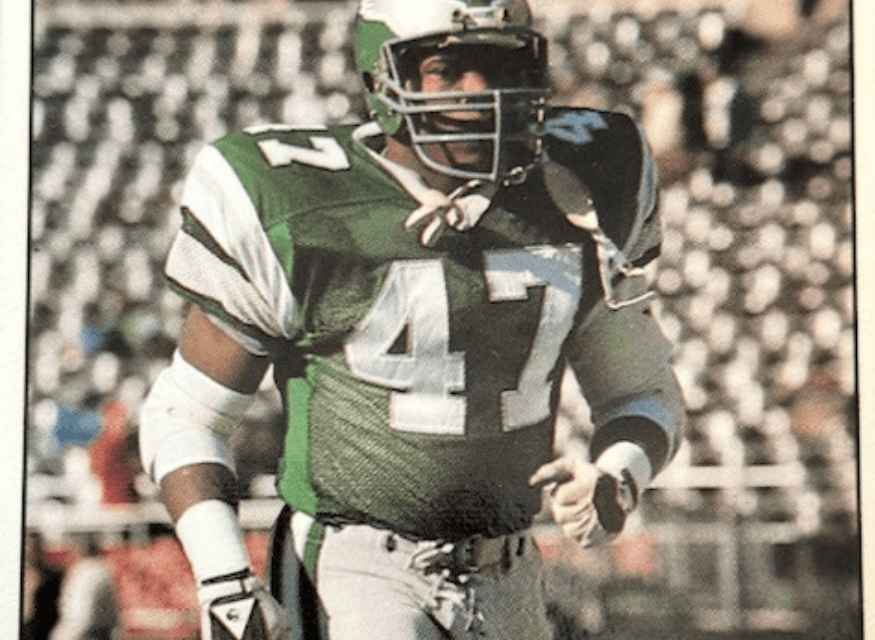
How To Wrestle Your Inner Critic with Andre Hardy
How To Wrestle Your Inner Critic with Andre Hardy

How to Stop Feeling Like You're Not Good Enough
How to Stop Feeling Like You're Not Good Enough