How to Turn a Situationship Into a Relationship
The answer usually isn't texting more, trying harder, or waiting longer. It's having the conversation you've probably been avoiding.
By
Josh Felgoise
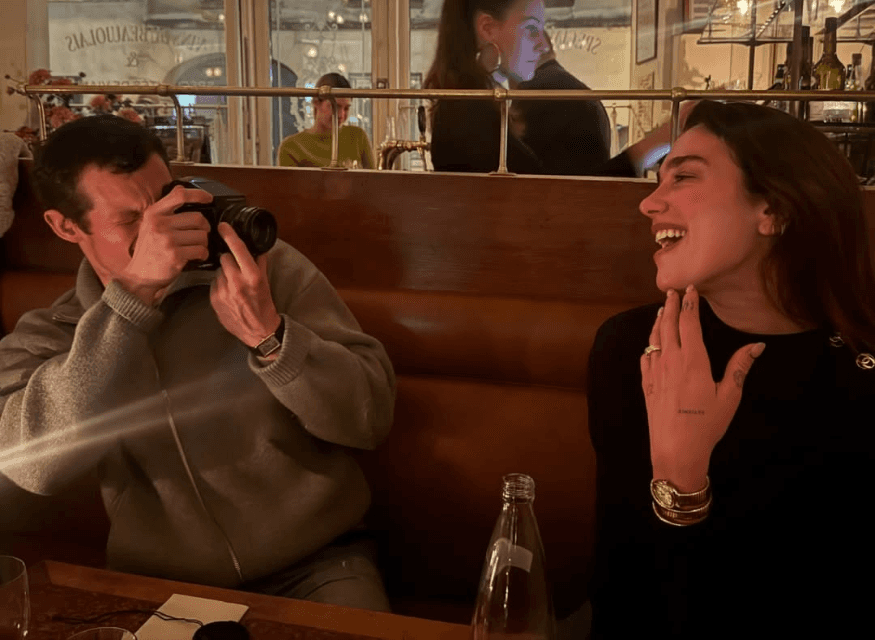
Situationships rarely start out as situationships.
They usually begin with excitement. You meet someone you genuinely enjoy spending time with. The chemistry is there, the conversations are easy, and before long you're seeing each other regularly. It feels like the beginning of a relationship, except nobody ever says that's what it is.
Weeks turn into months. You text every day, go on dates, spend weekends together, and meet each other's friends. Yet every time someone asks what the two of you are, the answer gets a little more complicated.
That's when the question starts creeping in.
How do you turn a situationship into a relationship?
The answer isn't finding the perfect text or somehow convincing someone to commit. More often than not, it's about creating clarity instead of hoping clarity eventually appears on its own.
"When it's defined, it's a relationship. When it's undefined, you're in a situationship."
Time Doesn't Create Commitment
One of the biggest misconceptions about modern dating is that commitment naturally happens if you wait long enough.
It sounds reasonable. If things are going well, surely the relationship will eventually define itself.
Sometimes that happens.
Often, it doesn't.
People can spend months enjoying each other's company without ever having the conversation about exclusivity or commitment. Not because they don't care, but because it's easier to avoid an uncomfortable conversation than risk changing what already feels good.
The problem is that avoiding the conversation doesn't eliminate uncertainty. It usually extends it.
Research discussed by the Psychology Today has found that open communication about expectations is one of the strongest predictors of healthy relationship satisfaction. Clarity may feel uncomfortable in the moment, but uncertainty is usually harder to live with over time.
Figure Out What You Actually Want
Before asking someone else where they see the relationship going, it's worth asking yourself the same question.
Do you want exclusivity?
A committed relationship?
Something casual?
Or are you mostly looking for reassurance that they like you?
Those aren't the same thing.
Sometimes people ask for a relationship because they're anxious about losing someone, not because they're actually ready for one. Other times, they avoid defining the relationship because they're afraid the answer won't match what they want to hear.
Being honest with yourself first makes the conversation much clearer.
If you're still unsure about your own feelings, How Do You Know If You're Ready for a Relationship? can help you separate genuine interest from fear of being alone.
"When you decide to be real, be honest and be vulnerable... everything you need to know will reveal itself in their answer."
Stop Hoping They'll Read Your Mind
One of the easiest mistakes to make in a situationship is assuming the other person should already know how you feel.
You think spending more time together will make your intentions obvious. You hope they'll eventually bring up exclusivity first. Y
ou wait for the "right moment" because you don't want to seem like you're putting pressure on the relationship.
Meanwhile, they're often doing the exact same thing.
Healthy relationships aren't built on guessing games.
They're built on conversations.
That doesn't mean walking into dinner with a rehearsed speech or demanding an immediate answer. It simply means being honest about where you are and asking where they are too.
The goal isn't to pressure someone into choosing you.
It's to find out whether you're building toward the same future.
Have the Conversation Earlier Than You Think
Many people wait because they're afraid talking about commitment will ruin something good.
Ironically, waiting too long usually creates more problems than having the conversation sooner.
If one person assumes the relationship is becoming serious while the other still believes it's casual, disappointment becomes almost inevitable.
Having the conversation doesn't force a relationship.
It reveals whether you're already moving toward one.
According to relationship researchers at The Gottman Institute, successful couples consistently communicate about expectations instead of relying on assumptions. That principle applies long before a relationship officially has a label.
"Everything you're wondering about and you want to know will reveal itself in what they say."
Be Prepared for an Honest Answer
This is the part most people don't like talking about.
Sometimes the answer is yes.
Sometimes the answer is not yet.
And sometimes the answer is no.
As difficult as that last answer can be, it's usually better than spending another six months wondering where you stand.
Clarity gives you the ability to make decisions.
Uncertainty keeps you waiting for someone else's.
If you're looking for a committed relationship and the other person isn't, neither of you is wrong. You simply want different things.
That's disappointing, but it's also valuable information.
You Can't Convince Someone to Be Ready
If someone genuinely wants a relationship with you, the conversation usually brings the two of you closer together.
If they don't, no amount of perfect texting, strategic distance, or emotional patience is likely to change that.
One of the hardest lessons in dating is accepting that compatibility isn't something you can negotiate.
You can communicate honestly.
You can show up consistently.
You can be a great partner.
What you can't do is talk someone into wanting the same future you do.
That realization isn't pessimistic.
It's freeing.
It shifts your focus away from convincing someone to choose you and back toward finding someone who's excited to make that choice on their own.
If you've been avoiding the conversation because you're afraid of losing them, So, What Are We? A Guide to Situationships, Exclusivity, and Relationships offers practical advice for approaching it with confidence.
Relationships Begin With Clarity
People often think the defining moment in a relationship is becoming official.
In reality, it's usually the conversation that happens before that.
The moment when two people stop assuming, stop guessing, and start being honest about what they want.
That's how situationships become relationships.
Not because enough time passed.
Not because one person played the game better.
But because two people decided they wanted to build the same future together.
Frequently Asked Questions
How do you turn a situationship into a relationship?
The healthiest approach is to have an honest conversation about what both of you want. Time alone doesn't create commitment. Clear communication does.
When should you ask about becoming exclusive?
There's no perfect timeline, but if you're consistently dating and wondering where you stand, it's probably time to have the conversation rather than continuing to guess.
Can a situationship become a serious relationship?
Yes. Many committed relationships begin as casual dating. The difference is that both people eventually communicate openly and decide they want the same thing.
What if they don't want a relationship?
As difficult as it is, honesty is better than uncertainty. Knowing where someone stands allows you to decide whether the relationship aligns with what you're looking for.
Should you wait for them to bring it up first?
Not necessarily. If clarity matters to you, there's nothing wrong with starting the conversation. Healthy relationships are built through honest communication, not waiting for the other person to read your mind.
Guyset may earn a commission when you purchase through links on this page.
Read More

When Should You Become Exclusive?
Exclusivity should happen when you're ready to stop dating other people and build one relationship.

How To Build A Healthy Relationship
Healthy relationships aren't found, they're built. Here's what Love Island can teach you about trust, communication, emotional maturity, and the habits that create stronger, healthier relationships.

Should You Manscape Before a First Date?
Good grooming isn't about impressing someone. It's about showing up feeling like your best self.

How To Start A Conversation On Hinge
The Best Hinge Conversation Starters To Get More Replies And Better Dates