What’s In Style with Taylor Reed
TRANSCRIPT
Josh Felgoise (00:00.204)
Welcome to Guy's Set, a guy's guide to what should be talked about. I'm Josh, I'm 24 years old, and I'm here to find all the tips, advice, and recommendations for everything you're wondering about. Let's get into it.
Josh Felgoise (00:18.478)
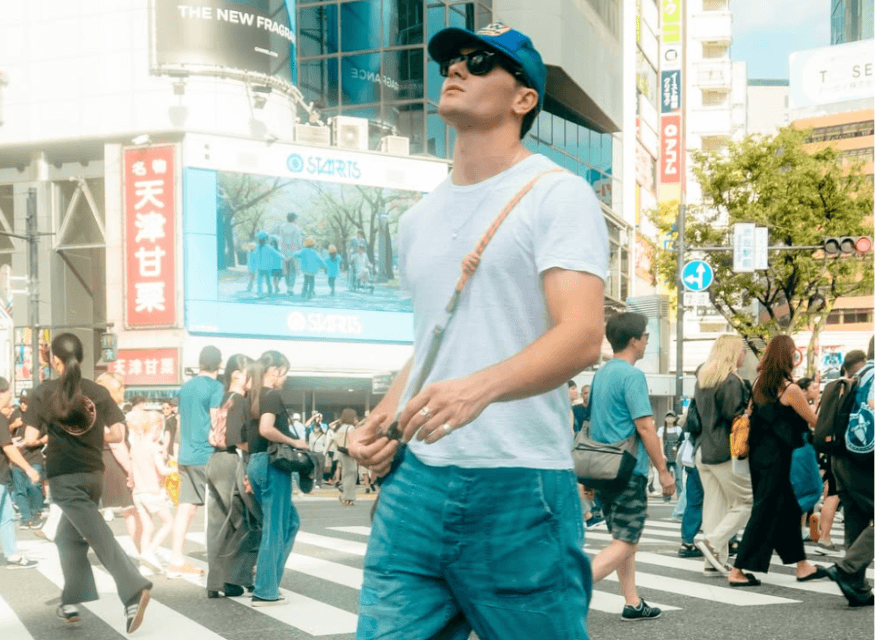
As welcome back to guyset, a guy's guide to what should be talked about. This week we are joined by Taylor Reed who is a 25 year old model, writer and content creator. Taylor has almost 200,000 followers on Instagram and over that number on TikTok. We talk about how he got his start in the modeling industry, what the modeling industry actually looks like, what it entails, what it means to be a male model in terms of how he views himself, his body image.
his ideas of confidence, his advice for confidence. We talk about how to dress better, how to look better. He also talks a lot about style and all that stuff on Instagram and on social media. So he gives a lot of really great style advice and all that stuff. We talk about bodybuilding and what he eats in a day. We go into like so many different things about the modeling industry, how he keeps up his look, his appearance, and what that means for a guy who's 25 years old.
If you're looking for tips, advice and recommendations about style, about how to dress better, about how to feel more confident about what to wear, this episode is for you. I think it was so interesting to talk to somebody who's 25 years old, who's my age, about all this stuff, who has such a different career trajectory than I do, than a lot of my friends do. And I think you're going to like this one. Without further ado, please welcome Taylor Reed to Geisse.
Josh Felgoise (01:46.094)
Happy belated birthday, the way. Thanks, man. How was it? What'd do? How'd you celebrate? Worked. I'm not a birthday guy, really. I keep it pretty chill. But met up with, you know Simon, you don't have a Simon. I don't know if you've met him yet. I know of him from Ryan. Sweet guy. We met up and we just kind of hung out for a little bit. He took me around the rest of West Village. We got a drink and then we had a work dinner. So, peaceful. I finished the book series I've been reading.
meditated, I do this thing where I reflect on the past year of life and kind of look at all the photos I've taken and do like a worksheet folder on goal setting and like reflection. So knocked all that out in the morning and then got to hang out with him and knock out some work. What does that look like? That's interesting. I feel like that'd be beneficial to people. What does that look like for you? It's actually from my mom. So I was turning, I turned 25, I am 25 now, which is strange.
But I had a whole like existential crisis with it because I mean, it's like a, it's a recontextualization of life where, your parents are becoming a certain age, your grandparents are becoming a certain age and they need care and like everyone's graduating grad school and whatever school. And I don't know, like my one younger sibling and they're finishing undergrad, which is strange. So it's like this massive kind of like everyone's moving into a new phase of life. And I was like, I need to do something to kind of like figure out.
I need to beat all these people now that everyone's, you know, really in adulthood. Like, you know, I'm taking care of a lot of people and through a range of like different life phases and I'm like, all my friends are in med school and PhD school and my grandparents call me. It's like, I want to be there for everyone and I want to, you know, fit well into it. And I'm kind of like standing still in the midst of this, which is kind of weird. So I'm like, I'm still doing my thing. I've been doing my thing because I, you know, finished college and got right into this work. So.
just kind of strange. And so I called her and I was like, called my mom and I was like, Hey, I'm feeling super weird about, know, like this year and getting older and what it means for my life and the lives of everyone around me. And she was like, let me send you my thing that tell me when I feel like that. So she just like texted me this PDF and it's incredible. So it's like, it asks you what your goals were for the past year, what you succeeded on, what you failed on, why you failed, how much of that was in your control, what you can do better next time. It's just very like, I know it's basic, but it's
Josh Felgoise (04:06.988)
reading stuff like that instead of you know, me journaling about it or meditating on it and like seeing it from another person's perspective where they laid it out super logically is super helpful. You are like the perfect guest for this podcast. I talk about this all the time and this is exactly what I talk about for guys in their twenties. So you are like the ideal person to have on here. Cause I think you have a pretty cool career so far too.
Thanks for the rant there. No, no, I want to ask you more about that too. After I get into who you are and what your career is and you talk about that, I want to hear if you don't mind sharing like what your goals are and what they have been and what they are for this year. And I think that'd be really interesting to share. I talk a about all that stuff, so I think it'd be cool. But who are you and what what do you do? So my name is Taylor, Taylor Reed.
I am a content creator and model and writer and specifically like the menswear, fitness, lifestyle. I hesitate to say lifestyle because it's so broad, but like wellness space as well. Most of the stuff I do day to day is fashion, men's fashion. I also branch out beyond just like the confines of what's traditional menswear quite a bit into streetwear, pulling over things even from like women's wear, gender neutral design. I love to, you know, mix it up a little bit and try to do new things. So like I wear kilts and skirts and you know.
whatever else, because I think it's fun to play with. There's a lot of heritage there in menswear too that people kind of neglect. So in any event, like I love to bring in both like the very classic James Bond suiting, as well as like going on and putting it like, you know, a crop top for the gym and whatever else. And I try to keep it all under one umbrella, which is very fun. So that's kind of, that's the shtick, I guess. I do like TikTok, Instagram, YouTube, Substack where I write. And then I do a bit of brand consulting and social media consulting on the side.
How did you get into this? How did you start in this area of menswear, style, fashion, streetwear, all of that modeling? Yeah, totally by accident. I was I went to Boston University. I studied biology and public health and I was pre-med and just kind of fell out of love with the medical system pretty hard. And like my mentors in the space who were all surgeons were like, man, it's not like what it used to be, whatever, whatever. You're not serving patients as much. You're serving a lot of corporate interests and insurance is terrible to deal with. So I was like,
Josh Felgoise (06:19.618)
you know, falling out of love with it. I went, started to go into public health to try to fix those problems that I saw, but realized just how massive and deep seated it is and just how, you know, how much grinding there is and also how much public sentiment is against that kind of work in a weird way. You're fighting a crazy uphill battle in that field. And so I was starting to go towards grad school. had an opportunity at Emory. I did this really cool lab I was going to work in.
And it seemed amazing, but I was like, I need to start dressing better in order to be professional enough to embrace this space and be well regarded. And I was going to go for a PhD and eventually go back and be a professor. That was the goal. Um, and so I started posting about outfits because I had the background in video production from like the middle school morning announcements. That was just fun. And I was doing pure science all the time and I wanted to do something creative. And so I started making silly like outfit videos and the first one popped off and then the second one popped off and I just kept doing it it was fun.
And then brand deals started coming in and then I kind of thought, okay, let's do a gap year. Let's save up some money for grad school so that I'm not like deeply in debt and run it back. And then I fell in love with the business side of these things. So the brand deals and negotiation consulting, hosting events in person, putting it all together, like that side of things is extraordinary. I might actually go for an MBA at some point, if it's feasible, if it makes sense, you know, where I'm a career in my career, if I need it. so I just, loved all those aspects about it. And I realized that
the impact I wanted to have about connecting with people and having an impact on their lives in some way, whether it's helping them dress better, helping them find self-confidence, wellness, fitness, whatever it looks like. I was seeing that really directly through social media and that was something that I wanted out of medicine. I wanted to save lives, but in a strange way, outfit videos did that for people. If I can provide some sort of comfort or inspiration that gives someone like something to hold onto in any small sense, like a little nugget of like,
You know, if that dude can wear that, I can wear that and that's good inspiration or whatever. And if I'm talking about wellness, mental health, fitness, whatever it is, if I can give people something to go off of, then I'm making an impact and that makes me really happy. Cool. I mean, I think like your outfit videos and all that stuff has been, has been great, inspiration for, for me, for a lot of, I'm sure a lot of guys on Instagram or on Tik TOK who just scroll by your videos and are like, this is cool. it's cool to see somebody like put together a look and care about it. And.
Josh Felgoise (08:36.366)
think just think about dressing and how to put an outfit together. I think it's a lot of I think it's a struggle for a lot of guys. It's struggle for me. I think it's a struggle for a lot of people who just don't know how to dress, don't know how to find style, don't know where to start. So we're going get into that at some point. I want to ask you all of your advice for where to start, how to dress better, how to be more confident in what you wear, what brands you like, all of that good stuff. I want to ask you to about how you started in modeling.
And how did that just come with this career? Yeah, go from there. I have a lot of other questions to ask you, but start there. Yeah. mean, that was kind of a natural progression from what I was doing. I had people that would comment sometimes because like I would do sort of modeling work already. Like I had a buddy that she was doing like a vintage reselling business and I like modeled for one of her shoots. It was super fun. It was just very informal. Like it was a friend and I was like, yeah, of course I'll just, you know, show up because I'm comfortable on camera. It's easy.
Um, so I kind of had some experience of that. dated a model in college and like, would go with her to shoot sometimes if it was just her and the photographer, cause like that's uncomfortable. And sometimes the guys would be like, do you ever shoot anything? And I was like, I never thought about it, but, um, you know, if there's interest, like I talk about it, I didn't want to step on her toes at the time while I was seeing her, but it was kind of like in the back of my head, like that could be fun at some point. And so when I was doing social media, people were like, kind of nudging me that way. had some experiences where it was like very casually modeling. And then I kind of started looking for representation.
And my little sibling actually got scouted by Wilhelmina before I did. And so they didn't, end up working out for them because they were too young. But, we saw the contact for the guy Melvin at Wilhelmina who like followed me, followed Dylan, younger sibling. And I reached out to Melvin eventually and I was like, Hey man, like I'm interested in modeling. I know, you know me from like my outfit stuff, but like, I'm looking to move into this space as well. Do you have any advice? Do you want to chat about it? Like love to work with you. That's an option. And he was just like, send some pics, come, you know, hang out in the office and we'll see.
you know, if there's a good fit. And we hit it off and I think the team liked me and I've been with Illumina three years now. How does that industry work? How does the male model, like what does that look like? Do you get brands reach out or what? Yeah. Explain all of that. I have no idea. So it's, it's interesting. And I'm, think I'm in a not unique position because there's more and more of this, but starting out, there was less of this where you're a content creator first and the model second in terms of the progression. Like I started out content creation wise.
Josh Felgoise (10:58.466)
doing my thing and then I moved into modeling. It's different if you're moving from modeling to content creation. But not everyone knew where to put me at first. And so like I'd have brands reach out to me that were kind of like, we want you to model for us. We don't know who to talk to. And I just defer them to the agents. And then some brands, it never happened that a social media campaign reached out through my modeling agency because I think it's just pure modeling. And that was a whole contractual negotiation that I made sure was firm.
The way it works generally is like a brand will say they have a project going on, they'll either request you specifically from like the sheet of guys on the website from the agency that's like available. And I guess they can send out like, you know, if they're looking for a dude that has brown curly hair, the agency could send over like every brown curly haired guy at the agency. So they kind of go through the options, they'll call you into a casting or they'll just pull you sometimes if you're lucky and you go work. you know, it's, it's not, I mean,
If you're a full-time model, it's a lot of castings. It's a lot of like going in person, doing online stuff, showing up, taking pictures, and then booking jobs. And there's a few different kinds of jobs. You can do this editorial, which is sort of like the cover of Vogue, for example. Um, so that's very artistic. It's pretty much just a work of art and you are part of that work of art. There is runway, which is its whole own thing. So that's like the whole, the walk and their presentations, which are also like runway, but you don't walk, you just stand there. I've done one of those. It was very fun.
Um, but I kind of stay mostly in commercial modeling, which in my, you generally, in my opinion, it's my favorite because you have time usually there for like a whole day or for a few hours, at least you can talk to the team. It's a bit more relaxed. Like I think editorial has that too, sometimes, commercial is just like, we want to see the clothes on you. We want it to look good. It's usually for like website stuff or.
you know, actual commercials, ad campaigns. And so it's a little bit, in my opinion, more low key. Like the presentation I did, like people were just like staring at me for five hours straight, which was kind of intense. commercials like it's me at a camera and then like great people all around. You could have a great time and it pays really well comparatively. Like runway generally, unless you're special or very experienced, doesn't pay great. I was going to ask you about pay. What does that look like for a, like a campaign? Like how does that work in terms of payment?
Josh Felgoise (13:09.294)
You usually have like a day rate and the hourly rate. so for example, if like whoever, like I have a casting tomorrow, so I'll go in for the casting. You don't get paid for the casting. Um, if they book me and they want me for a full day, there's a certain rate and it's a couple of grand. And if they booked me for a certain amount of hours, it's like kind of a fraction of that, depending on how long they need me for. And then there are rules about like, if you can go over time, how much the overtime costs and the agency sets all of this. So it's not me saying like, I'm worth this much. The agency is like, this is what the market looks like. This is the going rate for a guy's time.
This is the kind of profile this guy has and like how much experience, can you, what you can expect from them. And so this is like the fair price for their day. And what percentage of that do you get and what percentage does the agency get? 80 20. So I get 80 20 is usually for representation and like social media or for modeling 20 is pretty much industry standard. That's what I thought too. Yeah. And then we talked in the beginning about, where you're at in life. You're 25 years old and thinking a lot about like where everyone else is at in life, which I am too. And we talked a lot about, I don't know about on here 24.
I think a lot about comparison. I talk a lot about it on here and how everybody looks at each other in our kind of age range after college and is thinking about where everyone else is at in their careers and in their life and with relationships and dating and jobs and living in different cities with roommates on your own with girlfriends. So how does comparison play into your career? If you're like being compared to all of these other guys on a
roster on a sheet on a website. How does that factor into like how you think about yourself, your self-image, self-worth, all of good, all of that stuff? I think so it's kind of a weird thing where like I in no way anymore do I compare myself in a competitive sense to other people. I mean of course like I see what people doing incredible things I'm like I want to do that I want to do you know some aspect of that but I'm pretty locked in on what I've got going on and like thankfully I'm busy and I'm doing well and there's a lot going on and you know.
I get to work on stuff I'm passionate about. I don't feel like I'm, I think if I were in a position where I was like trying to do something and it wasn't going well on any level, if I was like utterly failing at something, I'd look to comparison a lot more for inspiration. And it's something I do every day even. the menswear community for social media is really tight in New York City. Like we're all friends. Like if you have two or three favorite like content creators that do menswear stuff, chances are we're actually homies. And like.
Josh Felgoise (15:35.096)
probably in a group chat, probably get drinks occasionally, which is pretty cool. So like I looked at other guys all the time and I see what they're doing and I'm like, that's incredible. Like, what can I learn from this? What is exciting about this to me? Like just today, like my friend Elliot, Elliot Dupree, shout out him. He's an incredible menswear content creator. He just does this thing where like he will put like an athlete picture up with a song he likes on his story. And I usually like go so, I try to think like, how can I make this feel produced? How can I show every aspect of this? And he's just like.
this is how cool I look and this is what I'm listening to and it's the vibe. And so I posted something like that today because I was like, that's the mood I'm in and like, I love how he does that. I love the approach to it. And I, I know him well enough where I can understand like what he's thinking. It's just dope. so I think, I don't know, like comparison is interesting because you have so many different aspects to it where it's like, you know, you compare yourself to the people you grew up with and your close friends and whatnot. And I think I compare myself to what they've got going on so I can show up for them really well.
So for example, like my best friend from college, he's in med school. And so like, he and I are in very different spaces in life. And I'm like, I try to analyze what I've got going on. So when he tells me about stuff, he's, you his own challenges, I can empathize with it, even if they're very different. so it's not like comparison in a competitive way. It's like, okay, what is going on in your life that I can learn about that I can show up for when you need me. and that, like, I think that attitude is translated to the professional world for me. We're like, I don't look at other people doing things that are, you know,
extraordinary or like getting paid more than I am or booking more work and say, my god, like I'm not doing enough. I'm failing or like whatever. I say that's so cool. How can I understand what's worked for them? And how can I do it my own way? Not not pull from what they're doing, not copy their whole flow. But if there's something I love about what they're creating, like identifying why I love it, and then seeing where that slots into my own creativity and my own work. That's a really healthy mindset on comparison has
modeling affected or changed your self image yourself or your body image or the way you think about all of that stuff? I'm in kind of a weird position with that too because I did bodybuilding for a few years and so like that ruined my body image in relationship with food for a little while. So like I think a lot of people perceive modeling as like have to be a certain size and you do have to be a certain size depending on what you do.
Josh Felgoise (17:53.774)
For me, it's literally like no one's going into measuring my body. They're just like, hey, can you generally fit the sample clothes that most brands make? Which are basically just like average dudes build. So it's like, can you fit like a medium or large shirt? Can you fit like a pair of 32, 32 pants? Like, is that going to look normal on your body? Yes. Awesome. Have fun. So it's not super like, you know, no one's going in and being like, you need to lose five pounds. I think that exists more in the women's world. I've heard horror stories about that from Girls I Know Who Model.
No one's done that to me. No one's even like, I'll even go in with like extra muscle on me. I'll go into a bit more body fat than usual or whatever. If I go on vacation, I don't know. I track all these things because I did the bodybuilding and so I'm just aware of it. No one really comments on it. If I bring it up and I'm like, Hey, what do you think about how I look right now? People are just like, how do you feel about it? You know, like, do you fit the clothes? You look great. Awesome. Have fun. but I think in a weird way, like being on social media so much and seeing my own face everywhere is hearing my own voice all the time.
Seeing my body all the time for modeling and just like, just being confronted with my image all the time has made me really comfortable with how I look and how I feel about myself and my self image has become very just like chill. I think we're like, I don't even worry about it anymore. Like I don't look in the mirror too much if I'm not like getting ready to go to with casting or whatever. It's just kind of like, I am me. And I think it's just like having to show up and I don't know, be perceived so often. Like I'm no longer worried about it. Were you ever at a place where you were worried about that?
100%. I mean, a lot of points along the way I was, and it comes back sometimes. I think it comes and goes. But it's like exposure therapy. It's just like the more that you put yourself out there and are like comfortable with being perceived over time, the less like I don't even think I used to think so much about how I like held my face in conversation, like making sure whatever, I don't know, just trying to look good at all times. And I've just let it all go. Because I realized also part of it behind the curtain is like, no one looks too perfect all the time. Like if you're on a
modeling shoot, like you will hold your face a certain way. You'll like, you you kind of, it's like mewing sort of, you'll like tuck your tongue up to the roof of your mouth so that your jawline sharp, you'll pull your cheeks in and kind of like suck them in a little bit. And it's very normal because everyone just wants to look their best for the camera. Of course. But like if that's, you know, people get fed that nonstop day to day, in advertising and social media, all of it. And I try to be as real as I can in my own content when I'm not like shooting stuff for other people. But, I realized it's not real. It's like a.
Josh Felgoise (20:18.474)
an optimal condition. And so like if anyone's comparing themselves to that, like I used to compare myself to that, it's not like real life. It's just kind of a, you know, they're doing that for 20 minutes for that specific look and then they're changing, taking a break and then locking back in. Yeah, it's super interesting. mean, I am so far removed from your world of of what you do. Yeah, it seems like it, but it also seems like I'm sure a lot of guys have issues with body image. I know I used to a lot more than I do now.
And I think it's something that guys never talk about. So I think it's really interesting to have you on and have that conversation with you. Similarly, when I had Ryan on who introduced me to you when you talked about the menswear world. Yeah, he's awesome. And he talked about his kind of body image and what he used to think about himself and how he got to a place where he's more comfortable with himself. So what is your advice to somebody?
a younger guy maybe who has who struggles with body image or struggles with their self image. So I mean, the first thing I'll say is having a background in bodybuilding, having a background in endurance sports and now like doing modeling, like you don't need to look like Ronnie Coleman. You don't need to look like like Callum and Kit, who are like the big models these days. Both mean I met Callum, I haven't met Kit yet, but like amazing sweet guys could not be kinder. Like all these people are really amazing. And I'm not like dissing on them in any way, but like
You don't have to look to other people who have a certain body type or a certain image and be like, I have to look like that or be like that. Um, especially when it comes to like weightlifting. And I think that's kind of the lens I'm looking at this from, because I, you know, I was in a position for a long time where was like, I have to look super built. Um, and that's beyond what my body wants to do. And it's just not healthy to like be consuming 5,000 calories a day to be like 190, whatever pounds at my height.
It's just unhealthy. And so that's what I say first to lot of people is like, look, whatever inspiration you're pulling from, realize that it might not be healthy for your body to do it. And secondly, understand what is healthy for your body. Like I always advocate for fitness from a holistic perspective. And so like people will be like, how do I look a certain way? And I'm like, let's get you feeling a certain way and performing a certain way in your day-to-day life. Let's get you, you know, being free from illness as much as possible, free from injury. Let's get you be able to, you know,
Josh Felgoise (22:31.906)
basic stuff like walk around all day and not feel out of breath or tired to go for like a one mile run, like basic small goals. And then you can worry about anything else you want to from there. And I think usually if you give people metrics to hit and you try to hit, let's, let's say you just want to be able to walk, you know, three miles without feeling too winded. If you hit that metric, you stop worrying so much about how you're perceiving yourself and your self image, because you're doing something that is kind of related to it, but is actually measurable. And that's the biggest thing I realized with bodybuilding was like,
If you're worried about self-imagine, you're checking yourself all the time and being like, am I meeting this, this, know, qualitative goal? That's not quantitative, but entirely qualitative. It's something that is kind of made up in your head. You're never going to get there. I would get to like less than eight body percent, but eight percent body fat. And I would be like, huge, like literally I was 20 pounds heavier than I am now. And I hated how I looked. And this was like the goal I'd always had because you can always pick something up and be like, I need my tricep to be another.
I don't know, third of an inch popping out of my arm. but if I'm looking at myself and I'm like, yeah, I can go run a 5k and feel good doing it. And I can go walk around after and enjoy my day and have good energy. Like that kind of satisfies that little voice in my head. That's like, you know, are you taking good enough care of yourself? Are you, your body looking good enough? Whatever. If I can perform well in my day to day life and I can enjoy my time inhabiting a body, I'd stop worrying about it. So I would say like switch to quantitative metrics as much as you can.
I don't know. think also a large part of it is realizing that like the, soul story we've been sold and like, I'm guilty of selling it to people with modeling and social media of like having to look a certain way or having to be a certain way is total crap on so many levels. As long as you're healthy, as long as you're enjoying your life, like you can look and feel and experience life however you want to, as long as you're not hurting anyone else. That's kind of my take on it. So if you're
And it's, I mean, I can get deeper into the genetics of it and epigenetics because I have the biology degree. Like some people's bodily set weight is larger than what is currently in vogue in terms of like body image. They're probably going to look and feel great at that weight and have an amazing time with it if they embrace it. And if they worry too much about trying to look like whoever, you know, whoever is walking down the runway at like the Dolce & Gabbana show recently.
Josh Felgoise (24:49.486)
they will have a negative experience with it and it will feed more into it. I think embrace, like understanding what your body needs and embracing it as much as possible and then just trying it. Like if you're scared of looking, you're feeling a certain way, try it out. If that's kind of what your body wants to do, you might find that it's like the best thing for you. It's funny hearing you say that like the industry that you work in also kind of perpetuates the standard that you're also trying to break because that's true. Like I think on social media, you do that really well and you talk about
You talk about protein and creatine and all these different things that you do and you try. Where did that body image, mean, muscle building, like body building come from? Was that something that you just wanted to do and it came from you wanting to try it? Or like, why did you get into that in the first place? I was like really, really skinny because I did cross country and like triathlon competitively, like at a very high level when I was a kid and I was like a teenager. And so I weighed, I mean, I was my height now.
I think I hit my height when I was about 16 and I weighed. How tall are you? Six one. And I weighed under 150. I was like 148 for a while, which is like, you know, whatever your body wants to do is awesome. But I was like that weight and I was super sickly because of it. Like my immune system wasn't very strong. Um, I felt like crap all the time. Like I felt very weak. And so it started off just being like, I want to feel stronger. I want to feel competent. And then, um, you know, you, you go to college and you start having to like, feel like.
I have to look a certain way for people to, you know, want to be friends with me or want to be romantically involved with me. And you start pushing it. And the weird thing I found was that like at a certain point, people found the muscles very gross romantically. Like if I was like in the gym, like trying to absolutely, you know, just crank the weights and whatever, like people stopped caring. And at a certain point, like if I was, you know, like on a date with someone, they'd be like, know, lot, you know, really in the gym a lot, man, it's kind of weird. And I was like, okay, sure. Maybe this isn't, you know, what I thought it was.
Yeah, but like, it was all, but it was kind of in your head, right? Like you, that was what everybody wanted from you. So you built into that and then it was like, shit, did I take it too far? And it's also like, I think I enjoyed it for a lot, a lot of it. So like, I didn't care if people didn't love the muscles, like whatever. but when I stopped enjoying it, I was like, yeah, this isn't, you know, I'm not getting the, and I honestly, I let go of the outcome. I let go of like wanting to please anyone else or like wanting to be perceived a certain way. And I was just like, I'm going to do me and
Josh Felgoise (27:10.178)
that more than anything was like I found success not only in like friendships and people just like thinking I was, you know, more self actualized and chill, but also romantically people being like, cool, you're actually self confident. You're not pushing towards something that's not you because you feel like you have to, which was cool. What is your advice for somebody who doesn't feel confident right now? How did you get, how did you get to that confidence place? So I actually, I mentor this guy. One of my best friends, younger brothers, he's an absolute G. He's super cool, super intelligent and
We had a conversation about this because he just started college. And so like, he was like, how do I kind of find my world here? How do I find myself and show up as myself? And I think you just kind of have to fake it till you make it really. The other story I have for this is that I played rec basketball for a year when I was like a child. I think I was like 12 and I didn't score a single point all season. And like one night I just got home from, I have terrible hand-eye coordination for reference. So I got home from a game and like we were.
doing terribly in the standings and I just like started crying and I was like, I suck and it's my fault. My mom was like, look, the one thing you haven't tried is just pretending you're good at basketball. Fake it and then you'll see how far you go. And I did not score a single point the rest of the season, but I led the league in rebounds and defense. I partially because of how much I turned it around, like we made it all the way to the championship and lost, but like we got way further because I was like, okay, I'm just gonna pretend I'm killing this.
And like, I'm amazing at it and I'm just going to go for it. And I think that's the approach I took with my self-confidence. Um, I mean, I want to acknowledge too, like there's a lot of privilege I experienced with it. Like I've always been fit. I grew up doing, I grew up training like sports and athleticism and you know, just physical training. always been part of my life. So I've always looked a certain way being like a white man in this world. You can feel a certain way about confidence because the world's not kind of pressing on your shoulders. And so I think it was easier for me than it is for a lot of people.
But I had my own significant struggles of self-confidence and just kind of showing up one day and being like, look, no one's going to help me with this. No one can help me with this. It's entirely in my head. I just have to start convincing myself that I'm self-confident. And it actually works wonders. It's like a placebo effect. Yeah, I completely agree with you. I've said on here before, fake it till you make it. It's the best way through and kind of the only way through. And you'd have to teach yourself. It comes from you. It's very innate.
Josh Felgoise (29:35.188)
And it doesn't just happen overnight. Like it takes time to build that type of confidence and start to actually feel it too. I also like if you employ some goal setting and metrics, like, I used to measure myself very strongly by athletic performance and I moved away from that. I've had some injuries over time that it made it harder to just like do sports all the time. And I also like work a lot more now, so I can't just spend hours in the gym. but like when I really just was training at town in college and like, course going to class, but my life was like class and training.
knowing that I was like hitting the numbers I wanted to hit in the gym. Like I did powerlifting for a while, knowing I could pull a certain amount of weight made me feel so good about myself because it was something that, not because it was like pulling weight, there's a lot of like masculinity attached to that, a lot of perception. It was something I set out to do and I achieved it. And I think that more than anything, you fake it till you make it is the baseline of it for me. But whatever you do in life, let's say you're a writer, let's say you write fiction and you want to write a certain amount. Let's say you want to get a book draft together.
If you say, wanna get a book draft together this year and you do it, that never goes away. You have that proof to yourself. if your self-confidence dips, cause it goes up and down, it's natural. You can reference everything you've done, all the goals you set for yourself and how you've held yourself to them and achieve them. And that works wonders because then you can never, you can question it, but you'll always have proof to be like, I actually, am who I am and I can show up and be there for myself. Yeah. I love everything you just said.
What does a day in the life look like for you? I feel like you have a lot going on and you're working on a lot of things. Run me through like you can take today for example or any other day. Like what does that look like for you? Every day is so different. I'm not gonna lie. I mean it depends. So the base components of a day include like fitness whether that's taking a recovery day, stretching, doing some active recovery like going for a walk or going to the gym or for a run. Like that's kind of how I start my day.
I have like a herniated disc in my back, so every morning I do back exercises regardless of what's going on. So that kind of centers me. Every morning I wake up, I do a gratitude practice, like three things I'm grateful for. And then I do like a very basic meditation where I just count to 10 in my head with no thoughts in my head. And I do that as many times as need to. Like if a thought pops into my head at five seconds or seven, then I just restart it and I wait till I can get to 10, because then I'm actually at peace for the moment.
Josh Felgoise (31:51.432)
so that little bit of movement, whatever the movement is, it can be a full gym session or if I'm like, you know, again, like a recovery day, I can just go for five minute walk, did a coffee, just move a little bit. And then it depends on what's going on. Usually I'll film something, like an outfit video, fitness video, whatever. If it's a branded deal, like something where I'm representing a brand, I'll usually have like a whole pitch set out. So I'll meet with the videographer. I'll meet with a friend of mine. We'll go out in the city and we'll film and that can take like up to a full day.
But if that's not the whole day, if I'm just filming my own personal content, I'll spend a couple hours doing that. And then I'll work on editing, work on emails, and usually I have some kind of events in the city. So like some days I'll have castings to go to, a lot of days, pretty much every day I'll have a meeting or some kind of in-person event in a store or that a brand's putting on for a launch or something or like a brand dinner or whatever else or a PR dinner. And so it's, you know, it's kind of full on.
I think this job can be exactly as busy as you want it to be. And I choose to lock in as much as possible because that's why I've seen the most returns and also have the most fun. Like I love the business side. I love the creative side. So I really get after it every day. But you know, some days I definitely, I'm kind of an all on or all off person. I don't really take weekends normally. So I'll just work through for like two, three, four weeks. And then I hit a wall and I kind of just like clear out three or four days and read books.
you know, sit on my roof in the sunshine, travel somewhere new, whatever, just take a beat properly. And then I locked back in for however long I need to. What is your workout routine? What do you do to stay in shape? Because like you kind of have to for your career, what, what do you do and talk about like your thoughts on protein creatine, but first start with your workout routine. So I'm actually going to go diet first because I think if you want it, let's say, mean, okay, there's no shame in wanting to look a certain way. Let's put that out there.
If want to look a certain way, if that makes you feel confident, awesome. I say always functionality first, but like for me, for example, like I kind of need to look at a certain way for work. So it is something I pursue and I don't feel bad about it. There's no shame in it. It's like, it's great if that's how you choose to live. Awesome. Um, but I don't, I don't attach myself worth to it because it's not always possible. That's where it gets kind of dicey. Um, but in the pursuit of that, I think diet's 80 % training's 20, but if you are
Josh Felgoise (34:08.085)
eating well, like I'll have some weeks where I don't get to the gym once and I don't get a proper workout in, but because I take good care of myself nutritionally, nothing changed as physique wise, nothing changed as functionality wise. I still feel just as good every day. So that for me is pretty consistent. do a lot of like yogurt and granola, lot of like random rice bowls with like veg protein beans. Beans are amazing for fiber as well. back when eggs were available, I would do like six eggs a day.
which was awesome in some form, but just kind of eating a well-balanced diet. My girlfriend's a dietician, so I have it lot easier because I can just be like, hey man, I feel kind of weird with this right now in my diet, or I'm not seeing this feel right. And she can be like, all right, adjust this. But more than anything, like, honestly, it's just everything in moderation. Like eating enough protein, enough fed, you don't have to go crazy on the protein. If you go crazy on the protein, PSA to anyone, your farts are rancid.
It's just part of the game. I've been there. I've done like the super high protein, super high caloric intake and not to be TMI here or gross here, but like that is a big downside of it is you get serious GI distress if you overdo it. So I just kind of try to balance it all. And there's actually, you can actually work out mathematically what you need nutritionally. would say consult with a dietician if you really want to dial it in. But my kind of rule of thumb is I eat till I'm 80 % full. Whenever I'm eating, I don't ever eat to being like over full because then I have GI distress.
But I eat till about 80 % and then I just eat as often as I need to. Like on some days where I train, I'll eat five or six meals and some days where I don't, I eat two or one. Um, I kind of average, you know, I actually track everything with my aura ring. So I know my basal metabolic rate. I know how many calories I burn. pretty much hit that every day. I match it. Um, and then if I'm trying to build a little muscle, I exceed it. If I'm trying to trim down for a shoot, I drop it a little bit below, but it's all pretty informal. And so hand in hand with that is the training. Basically for me, I just try to move.
at a baseline, it's very easy in New York, we walk everywhere. So I can easily burn a thousand calories walking if I'm just like having a really huge, like fashion week, for example, I was burning an insane amount of calories just walking around every day. But it's not about the caloric burn, it's just about movement for me. Of course you wanna, you know, think about your energy and put in output, but also just like the mental health aspect of moving your body and using it for what it's supposed to do is incredible. If I get in the gym, weights are awesome, I don't really go high weight anymore.
Josh Felgoise (36:27.5)
I've done my power lifting and I've, you know, I achieved what I wanted to achieve and we moved on. So I tend to do higher rep ranges, like 12 to 20 reps of moderate weight that I can easily move around. But that gets me to a point where I'm starting to get to failure towards the end of my sets. Very simple. I don't even do splits anymore. I just kind of show up in the gym and I've done it for so long now that I just kind of feel my body and feel what's sore, what's not, what's feasible to work out. And I'll just do one to two movements per muscle group.
keep it super simple. It takes 45 minutes, I'm in and out, and then I run whenever I have the opportunity to, which usually is not in the winter. I'm not a big winter guy for running, so like, weather's nice, it's not raining out, I'll go for, you sometimes I'll plan out a whole run, and it's like two to six miles, some days I just go until I'm done. I'll even get an Uber, or like take the train back if I just wanna go out one direction and just like see how long I can go, and then I'll just, you know, deal with the consequences. And then what about protein and creatine and like any other supplements or anything else that you do?
Supplementation. So I keep it very simple. I do take a protein powder simply because it's like a really easy way. Over time, if you train a ton and you watch what you eat, you'll notice there are different kinds of hunger. So I have a different, I have a feeling like in my stomach and kind of mentally too, because your brain actually runs off carbohydrates. So I know when I need carbs versus protein versus fats. And so like protein powder is easy because if a lot of the time, if I'm training, I'll go to bed specifically hungry for protein. And so I can just dump
20 to 50 grams in a bottle and knock it out and know that I got what I need. So protein powder is amazingly useful for that. It's also great for like a quick, easy breakfast or to throw into like yogurt, whatever. It just keeps me well-rounded because you do need a certain amount of protein if you're training to supply your body, depending on your weight and your height and your muscle comp. And there are formulas for that. If people are interested, you can just look it up. don't know, like for my girlfriend's a little bit less concerned about protein. Actually she is for a different reason.
she has PCOS and so she needs to a certain amount of protein with carbohydrates to have her body function well, because her glycogen uptake's different. But for the average, let's say, woman who's a certain height and a certain weight, and that it's a lot lighter and smaller than me, your general protein intake doesn't need to be as high. So it's a certain amount of grams per kilogram in your body. whoever, whatever gender, body size, whatever, if your amount of kilograms in your body are quite low, you might not need to worry about it.
Josh Felgoise (38:51.918)
but being 6'1 and about 180, I do have to supplement it. So like, I don't want that to be a rule of thumb for everyone. Like if you're a guy who's shorter and lighter, whatever you want to do for your build. And that's not to say like if you're 6'4 and 250 pounds, you're like a linebacker, you don't necessarily need to use protein powder. You can do whatever you want, but you do need the nutritional intake. So that's kind of my spiel on protein. It's very personal. I like to have maybe a scoop a day. That's plenty.
But there is a perception I've noticed amongst other guys that I've talked to and that I've trained with, of kind of what they're doing or how much they weigh or whatever, where they just kind of perceive that they need to be taking a ton of it and they don't actually reflect on their own body needs. So I always encourage people like, take a look at yourself and what your actual physical needs are and work from there. Because everyone's super different with it. So like if I said, I take two, everyone should take two scoops a day, which is like 50 grams, then people would have a bad time with it.
Totally personal, I do like 30 grams of extra protein a day. And then creatine, I always love to talk about. It's like one of the best, safest supplements out there. It is the closest you can get to PEDs without actually being on PEDs in terms of like the response your body has. that the physiological mechanism is that your cells have a few different energy sources, NADP plus ATP, and then creatine phosphate. And it all has to do with the phosphorus that's on it. Creatine phosphate.
is sort of, if you can visualize these as like batteries in your body, ATP and NADP plus are pretty much always fully charged because the way that you consume food will replenish them, food and water, they make more of it. So you have cellular energy. Creatine phosphate is a little bit like it's running on empty or quite low because we don't really get a lot of it naturally in our diets. You can get it from meat, but when you cook meat, it goes away. So.
Usually in our bodies, we have a relatively low amount of creatine phosphate. When you take creatine, it saturates your body with it. So it becomes like a third full battery for yourselves to use. The impact of that is that your body will recover faster. Your muscles become stronger. You will take on some water weight at first because you need water to catalyze that reaction to be a part of it. but your body will kind of even out. And so I've noticed when I take creatine, I'm about five pounds heavier on average, and my muscle recovery is a lot faster. I'm less sore.
Josh Felgoise (41:05.378)
I can lift more weight, can run a bit quicker and for longer. So it's just like a little bit of a boost because it's just giving your body an extra battery to fuel your workouts with. It's also been linked to a little bit of like a mental health benefit. This is like kind of still being studied. The physical part of it is very well understood. I think it was dementia that it might help decrease over time and it also is a mild antidepressant. That's super interesting.
I love how passionate and excited you were about both of those things. And do you have brands you recommend for protein and for creatine? I kind of defer to a few that I've used forever or that transparently that sent me at his PR and that I just love. Alani New protein powder has really good flavors and I have, what was it? It's like on my shelf. It's like some like everything cookie flavor where it's like cookie and pretzel and chocolate and it's killer.
But there's also like my default if I'm just getting a giant bag of it and I don't care how it tastes if I'm just like putting it in other things is I get the giant bag of OptumN Nutrition whey, 100 % whey from Costco. It's like five pounds. And then I do OptumN Nutrition creatine. But basically what I would say you want to look for, if you don't have dietary constraints, if you don't need to do like a vegan protein powder, like I, my default is 100 % whey protein and just pure creatine phosphate. They're pretty cheap supplements.
Creatine, if you buy it in bulk, can get it for like literally cents on the dollar and same with protein. And is there anything else you take that you recommend outside of those two things? I feel like that's probably everything, right? I do magnesium for sleep. That's just, have, it's reacted magnesium. I'm trying to look at the bottle from here as well. I have like my whole supplement shelf that my mom put me onto because I took melatonin for a while and I noticed that it made me super groggy and also had strange dreams. Like my whole vibe was weird. I'm glad that it's not just me.
So that was weird, but I wanted something. I'm the same way. It's just, I feel like it's a mix. Some people love it. And this is why I'm always like, you know, take what I say with a grain of salt, try it for yourself. Cause like as much as I know about how these things work and cause I have like the science background, I love learning about it. I can talk about what works for me. Everyone's super different. like some people, maybe melatonin is their sleep supplement. I like to have at least one sleep supplement in my repertoire because my sleep is critical for recovery, for like looking good day to day for feeling good. So magnesium.
Josh Felgoise (43:30.346)
it just kind of increases my sleep quality. And I've like A-B tested it for myself with the Oura ring, where I sleep better generally on magnesium than off it. Is there anything else you would say to a skinny guy who may be in that same position that you were in, maybe in college, that like really wants to get bigger, wants to bulk up, that struggles with that? I feel like that's the other side of body image that is not very talked about a lot for guys. So what else do you say to that guy? And then I want to get into...
style and other things too. have a lot to ask you. This could be a two hour conversation. We could do this again. This has been great. The first thing I'd say is check in with yourself on why you want to do it. If you feel great, if your body is functioning well and you're only doing it because you're worried about what other people think about how you look, maybe consider that for a minute and don't jump onto anything crazy because it will have an impact on your body. If you train improperly, if you don't have great form, can mess, it can actually get you injured. All kinds of stuff can happen.
So take a minute, take a beat, really consider what you're doing. And then from there, I would say mass gainer, mass gainer shakes are so actually with, with protein, need to actually consume some carbohydrates with protein for uptake. The ratio is like two or three to one, depending on how your body works. Mass gainer is a 1500 calorie per serving shake with like a cool 50 grams of protein and like a hundred to 150 grams of carbohydrates. are different brands of it. But when I first bulked, I
I had like an unlimited meal plan at the dining hall, because I knew I was going to do this. I'd eat like two giant bowls of yogurt, eight to 12 eggs a day, multiple bagels, like four to eight turkey burger patties with like a few buns, cookies, ice cream, a ton of fruit, ton of veggies, and then a mass gander shake. And so I was rocking a cool 5,000, 6,000 calories a day, easy. But the critical element, if you don't have access to like unlimited food downstairs.
If you're not like in college, I doing it in college was the easiest thing. If a guy's in college wants to bulk, it's so easy. But mass gainer shakes are really a hack if you have a hard time putting on weight because it just it goes down like a milkshake. It tastes amazing. And it's a really easy 1500 calories that you don't feel too much. Cool. OK. And then I want to ask you about the question I asked in the beginning about the goals you set for yourself for this year, for last year. And I also want to ask you what success looks like to you.
Josh Felgoise (45:55.362)
where you're at currently. So you can take whatever you want from that. Success to me has always looked like time. I mean, I think I've always wanted to hit. To me, like, money's great. Money is fun tickets. Like, of course you need a certain amount to live. And then past that, you have a certain amount where you can go do fun stuff, which is awesome. And I do have monetary goals every year. I've been very lucky and I've worked very hard to hit them. And it's been great.
So I have a bigger monetary goal this year. It's very lofty. We'll see if I hit it. Cause I would love to, you know, eventually invest in a house where I can have my family move in with me. Like as my parents get older, I'd love for them to live in like a secondary sort of living situation where I am. So like, whether that's like a grandma cottage, like an additional floor of something, like an additional apartment next to mine. Like that's a big goal for me. But that gets back to success. Like part of success to me is access to the people I care about, time with them.
being able to show up for them. And the other element of that is time. think time more than anything has been my biggest metric of success. And my biggest goal is having flexibility with time, having a little bit of, I mean, I don't mean, so it's interesting cause I would say it's not so much free time. It's time to control. So free time, if you're defining it as like time where you can just chill out and do whatever, like that's great. I think that's awesome to have, but control over my time is critical because I want to be as busy as possible when I'm working.
But I also want, if one of my friends is having whatever going on in their life, or they just really want me to come hang out and have a good time, I want to be able to put everything away and say, I can put this all away for a minute and I'm just going to come be with you. time is the one resource that is truly finite and you can't make any more of it. You can't earn any more of it. So that to me, like maximizing the time I have and spending it well, that's success to me. And so I failed at that goal this last year in a lot of ways, because I think I...
You know, put time, it's not something that you can help to a certain extent. Cause if you put time towards a project or an idea that doesn't pan out, like you learn something from it, but you wasted that time. And so I think failing at using your time well is a critical part of learning to use it well. It's an iterative process. And so like, for example, I started working on a clothing brand that hasn't gone anywhere yet. I've had some great advice on it and it's just not like, you know, super high on my priority list. It's not one of the biggest things I'm working on.
Josh Felgoise (48:13.838)
So maybe I wasted some time on that last year designing things or creating a business plan that didn't pan out, but I learned a lot from it. So it's okay. The one kind of time waste I don't love is just like null time where it doesn't achieve anything. It doesn't make you feel relaxed and make you feel comfortable, whatever. So minimizing that's been a big goal. I think I've done that pretty well this past year and I'm continuing to, and then just making sure I carve out as much time as possible for the people I care about. That's like the biggest, it's always the biggest goal.
Everything else is in service to that whether it's monetary whether it's work whether it's fitness like if I can show up for the people I care about Consistently then I've succeeded and that's a good life. Yeah, what a great what a great answer I talk a lot about goal-setting to especially at the end of the year Especially when like a birthday is coming up and you're looking back at your past year So thank you for sharing all of that And then my last question on the modeling industry and then I'm switching to style is what do you think is the biggest? misconception about modeling and the modeling industry
Um, there's quite a few. I think it really is that everyone looks that good all the time. Absolutely not true. Like I go into makeup pretty much every time I do a big shoot. And I think a lot of people, again, measure themselves in comparison to what they see with like models or people in commercials or celebrities. And the truth of that is like everyone, if it's a celebrity, especially on a movie, they're on a diet plan, they're on a training plan, they're in makeup every day. It's good lighting, like everything's considered. And so
I think the misconceptions that a lot of people think like, if I don't look like that, like I'm not, you know, nearly as attractive chances are you, probably are. I know a lot of people who don't model that absolutely could that, know, probably don't think they could because they perceive it as like, my God, you have to look so perfect all the time. It's not reality. Some people do. I know a couple of guys that just look that good all the time, but there's like three, know. And I've met quite a few models and those guys are amazing. They're sweet. They are blessed and it's cool, but that is absolutely not like the average.
you know, even the average model does not look like that all the time. That's a good answer. OK, I want to get into style because you have really great style advice. And I think that's one of the biggest things I don't talk about on here enough. And I'd like to more because I think a lot of guys don't know how to start finding their style, how to figure out what to wear, what to wear on a date, what to wear going out. So what is your biggest advice for somebody that has like
Josh Felgoise (50:36.302)
no idea how to start dressing, how to start finding their style. So two things, what goes back to fake it so you make it like just start doing something and see how it feels and just like, you know, push the boundary a little bit. The other aspect is take it slow. So I wouldn't say to go buy a whole new closet overnight because it's going to feel super weird and not like you you probably won't feel confident from day one to like day whatever it'll take years to kind of feel confident stepping into that. Start with one piece like
For me, let's take for example, I wanted to start wearing rings, threw one ring on, wore it for a couple months, loved it, added one and kept going and then added an earring, added necklaces, added like belts and keychains and all kinds of stuff. And now I feel very comfortable with all kinds of accessories because I took it slow and I realized, you know, at what point I loved it. And it's not having a ring on every finger for me, which I did for a time and it felt like too much. Start slow, build it bit by bit.
And that's even like buying nicer things in your wardrobe or buying new pieces. Let's say you buy a leather jacket and never worn one before. Go get one secondhand, try it out, see if you like it for, you know, a few weeks, a month. If you love it and you're going to wear it every day of your life, go get a really nice one. and then keep iterating from there, but take it, take it slow. And also I think people are so judgmental of themselves from other people's minds. They think a lot about what other people are going to think about what they're wearing. As long as you got clothing on my guy, you're probably good. as long as you feel good about it.
The only thing I'm saying is the only thing you should be concerned about when it comes to other people and your style is are you clothed enough or well dressed enough. Let's say you go into work, you don't want to whatever, a cutoff, like a gym cutoff and jorts into work. You want to be appropriate. If you are relatively appropriately dressed where you are and you have clothing on, stop caring about what other people think and just worry about how you feel about what you're wearing. As somebody who's worked at now
two startups you'd be surprised and that people start ups are different. will say startups are different. It's crazy. It's crazy. What like what pieces of clothing should every guy have in their closet to kind of like make any outfit better. You wrote a piece about this on Substack. I want to hear all of your advice on it. So you really need a pair of blue jeans pair of black leather shoes probably loafers. So here's my here's my you don't need every one of these pieces but if I were
Josh Felgoise (52:55.694)
styling someone and telling them what to get. Black loafers, black boots, white sneakers probably, black leather belt, blue jeans, white t-shirt, white button-up. A button-down is one where you put the buttons on the collar, the collar buttons down. A button-up is a shirt that just has buttons down the middle. a white button-up. I didn't know the difference. Well. One dark colored button-up, one light jacket, one dark jacket, and ideally you need a suit. I would say charcoal.
go for charcoal suit first, and then I'd throw in something like a hat, something like a handkerchief or a bandana for accessorization. If you have those pieces, you're set and you can build from there, but that to me is like, also, I forgot to throw in, if you have a suit, the suit trousers can be used for other stuff, but I'd throw in one more pair of trousers. What brands do you recommend for guys to shop at that have no idea where to start? I would say, I mean, if you're in New York, it's easy, or if you're anywhere in the world, you go to a mall, but if you're in New York, go to Soho.
get on Broadway, I know it's gonna be insanely busy, go into every store and try something on. You don't have to buy anything. I would say don't buy anything on day one. Go figure out, one, you need to know your sizes, but two, you need to know what fits you well. So everyone's body's different. Each brand sizes things differently too. The more you learn about fashion, the more you learn that a medium is not truly a medium everywhere. It changes, and it also changes by garment. So.
Learning to look at the garment measurements, learning to look at what size the model's wearing on the internet, if you're buying on the internet, and kind of see what will work with your body is critical. So figure out what brands fit you well first, and if you're lucky and you can shop anywhere, then have fun with it, go buy aesthetics. But if you're someone who really fits one or two brands really well, lock in with them and be a loyal customer, get to know the sales rep, they'll treat you well.
And, if that ever changes, if they have, you know, a new manufacturer, whatever, like new designer, then repeat the process, I would say. start with the fit. Fit is everything. If what you wear fits you well, you can get away with so much in terms of style. Like you can play off, I've even played off a suit jacket as a tux jacket because it fit well. which is a distinction that does matter, even if people don't think it does, like that's kind of a weird niche thing, but it does matter significantly in certain circles. so yeah, I mean, for me, like.
Josh Felgoise (55:05.174)
I'm lucky enough to work with a lot of these brands, like Billy Reid, Banana Republic, Eddie Bauer for outdoor wear, Madewell, J.Crew, Abercrombie, depending on the Abercrombie piece, some of them are, they have a few different lines. And so I think, again, it's like, gotta know the fit. Like their athletic line to me fits differently than the normal line. And so I just kind of know my sizing there. They're a classic. They're also a great mall brand. So you can just go to an Abercrombie, try stuff on pretty much anywhere you are.
I try to also give recommendations at different price points. like Uniqlo, GU is incredible. I'm a big fan of GU. And then you can take it all the way up to like a Todd Snyder or further. You can talk like Loro Piana, Zenya, but those are kind of out there. So like if I were to pick, I actually, I can't say, I have no idea what, like if I had to pick three brands to where they would be or like one brand, it's impossible for me. But just go sample it.
I don't know. Like if you're looking for something that's probably going to be local to you, I'd say go try out a Banana Republic and Abercrombie J. Crew made well. GEU has a store in New York. If you can, you know, if you're in New York, go to GEU, go to Uniqlo. Just try some stuff on, go to one of the more accessible stores that make good stuff for a good price. And then as you know, what you like more, you can start moving up in terms of cost for certain pieces, like a Billy Reid, like a Todd Snyder, and, just take it bit by bit.
guys will write in and DM me questions. And that was a question somebody asked, like, where do I start shopping? I'm happy you answered everywhere. The answer is everywhere. And I'm sorry, that's not helpful, but like, go try, go try one thing on at every store, see what fits you well. but like if I had today to go take a guy shopping, I'd probably take him to banana Republic first. I love what they're doing right now. They have a lot of different fits that fit different body types.
And just their design is excellent. So I'm a big fan of what they're doing. And they're also like, you can probably find a banana Republic store wherever you are. That's a benefit of it. If you were to dress somebody for a date, what would you tell them to wear? Depends on the occasion. date. First date. It's been a long time since I was on a first date. I've been with my girlfriend for three years. But before that, when I was like going on a lot of first dates, my sort of
Josh Felgoise (57:10.124)
routine and it would be very different now actually. I would just wear like a cool t-shirt. usually wore like a lot of band shirts because that's a great conversation starter with a pair of well-fitting jeans that you know make my legs look good that aren't super tight aren't overly baggy something in the middle a pair of black boots black belt and then if it's like sunny out where it had if it's cold you wear like a I would wear a leather jacket usually.
So, that's also for the context of it. Like I was like pretty involved in the indie music scene in Boston where I went to school. And so like that fit for my personality and I could talk lot about that. It's like the band team made sense. So of course, like you want to dress like yourself. for me at that point, that was what myself was. These days I would say I would wear dark denim, dark blue jeans, belt that matches your shoes, leather shoes, probably loafers or boots. wouldn't go sneakers on a first date. Absolutely not. Unless you're walking for hours.
and I would go for a white button down, actual button down, like an Oxford shirt, which is a specific kind. It's more casual than like a dress shirt, but still looks very good. And I would go for, if I needed to, like a leather jacket, canvas jacket, wax jacket, something that's not like, I wouldn't go for like a Carhartt workwear Detroit jacket. I would go more along the lines of like a classic, like Barracuda jacket. This is helpful. I think this is gonna help more guys than you know.
What about what you wear on like the weekend going out with friends going to a bar? What would you recommend somebody wear if you're dressing somebody? I have fun with it personally I honestly like I would if this is a friend of mine and they didn't know what to wear I just have them come to my place and I dress them from like random stuff in my closet So if I were doing that I would pull again like classic dark blue jeans and this is where like the capsule wardrobe like blue jeans come into play they go with so much if you're going out you're going to bars you're maybe going to a nicer restaurant like
dark blue jeans specifically because those can go nicer than light blue jeans. Again, a boot, but maybe a bit of a more fun boot. Or I might even do a sneaker, but sort of like an avant-garde interesting type sneaker. And classic belt, probably a basic t-shirt, maybe a really fun sweater with a cool knit or a cool color. either a classic jacket if everything else is out there, or a very fun jacket if everything else is basic. My kind of rule of thumb is if, especially if you're newer to style,
Josh Felgoise (59:24.554)
start with one accent piece at a time. So either make a very simple classic base to the outfit and then add like a crazy accessory or jacket or something or go for very classic accessories, jackets and have like a sick pair of pants. Did I miss anything style wise that you want to add? Like any other style advice or fashion kind of finding your sense of style advice? There's a book called Dressing the Man. I'm reading it right now. It recommended by Simon. So Simon can tell you more about it when you guys talk.
Yeah. That's like the Bible for menswear. And that's a great place to, I don't know if it's a great place to start, but it's a great place to get, you know, some, to refine everything. I would say it's trial and error more than anything. Like you will try things that don't feel like you and you'll kind of put it away and move on to something else. But like the whole reason that myself and other fashion influences exist is to give you a reference point. So like take a look at myself, my friends that are on the internet.
See what we do, see what we like, see what you like and don't like about what we do, and then feel free to copy whatever you want to, try it out for yourself, and then build it out into your own thing. What about cologne? What cologne do you recommend or anything to like smell deodorant, stuff like that? I think we're gonna need a third call if we talk about cologne in depth. That's another thing where like, and I'm sorry if this isn't helpful for people who need like a solution quickly, go to like a Macy's and smell everything and ask questions. You want to ask about what the scent profile is, if it's like a very...
Like an amber-y scent, if it's very nautical, like something oceanic, salty. You want to know if it's like woody, tobacco fragrance, leather fragrance. Like ask as many questions as you can, because you can pretty much like pick a category that works for you, or one or two categories, and just rock with those. Because like brands will fall over themselves to tell you that they have like a great leather fragrance that's coming out. And like they'll tell you all the other scent notes, but like if you know you love a leather, you'll probably like that one. So.
Start with the general categories. Yeah, go from there. I think that's helpful. I've never heard somebody talk about it like that. So we have to go into depth more about that at some point. then what about skin care? What do you do for skin care? So I'm very lucky and blessed to get a lot of skin care PR. So I get to try a bunch of stuff. But these days, my routine when I'm doing it, not like trying something new. Cleanser, vitamin C serum, moisturizer, eye cream, Gua Sha.
Josh Felgoise (01:01:43.65)
That's it. The Gua Sha is like the little stone that you can like kind of do them fatty drainage massage with five things. Super simple. And then I only do the vitamin C once a day and also sunscreen. Sunscreen is critical. Do you have brands for any of that stuff that you like that you're using right now? Yeah. mean, quite a few. What is within the rotation? So, I mean, a lot of it is like these brands will send me stuff and I know their team. So I don't want to like, if I miss a brand name, I'm so sorry. It's because I've had certain people in my inbox or like in the mail recently.
I love Natura. Their team is incredible and their product is just ridiculous. The ordinary is great. La Roche Posay, grown alchemist is fabulous. There's some smaller brands that I've started to receive too, that are excellent. what was that one? Bigelius, which I think is a Swedish brand. They were very cool. They sent me some stuff. I'm actually almost out of it because I've been taking it traveling with me. my gosh. There's like, there's two or three, like on the tip of my tongue that I can't recall right now. Cause I think about skincare a lot.
but it's honestly like, if you wanted to start, I think the ordinary is pretty reasonable. Natrium is also quite reasonable. Their pricing is great. The Roche Posay starts getting out there a little bit more, but it's quite worth it. If you're just starting out, go grab, I don't know. Like, I don't even know where to get most of this stuff, depending on the brand. I think you can get most of it at like a CVS. That's where I get a lot of my skincare. CeraVe, classic. That's what I started out with. So like, grab a cleanser and a moisturizer from like a CeraVe and Natrium and ordinary. And then.
Go from there, like try different brands, see what works for your skin. Every brand is slightly different and the more you can learn about the ingredients they have, a lot of them are very transparent. You'll know what's gonna mess with your skin versus like enhance it. And so every brand is slightly different the way they formulate and you know the quantities they use. So I think it's worth experimenting a little bit, but start with a very classic cost effective one that does good stuff and go from there. Okay, I have a thousand more questions I wanna ask you. So I would love to do a part two if you're down. think.
A lot of what you said is going to resonate with people. think you have a lot of really great insight. And I think your career career trajectory is really cool. And you're kind of paving your own lane for yourself after college. You totally pivoted from what you were doing and found your niche and what you were interested in and what inspires you and are really going into that, which I think is is really cool. So I would love to have you back on and do a whole episode on. Cool.
Josh Felgoise (01:04:11.246)
I'll text you and we'll make it happen again because I think you have a lot of amazing insight to add. So, thank you so much. an amazing interviewer. feel like I've been, I almost feel bad for talking so much, but it's been really fun to like dissect these things in my brain and bring them up. No, that's the point. I mean, I talk, I do an episode myself every other week. like this, this is really for you. I was going to start asking you questions and I realized what time it was and I was like, all right, we're out for today at least. No, let's, let's do it again. I would love to do a part two. Um, but thank you again for doing this. This was really fun.
Dude, thanks for taking the time. That was a great convo. Appreciate it. That is the episode. Thank you so much for listening to guys set a guy's guide to what should be talked about. I'm Josh. I'm 24 years old and I'm here every single Tuesday to talk about what should be talked about for guys in their 20s. If you like this podcast like this episode, please like subscribing this podcast five stars. Leave a view. That's one, two, three, four, five stars, not four, not three, not two to one. That's five stars. Thank you so much. Leave a review. That's really appreciated. Thank you very much for doing that.
If you're anyone top of that should be talked for guys in their 20s and to my email it's josh at guyset.com j o s h at guis et.com or to my dms on Instagram at the guyset th e guis et. You can also head over to my website guyset.com guis et.com to check out everything the blog the podcast you can ask me anything right there too you can check out all the social media platforms right there too. This whole episode is available on YouTube so I hope you watch it there as well.
Thank you so much for listening to a guys guide to what should be talked about and I will see you guys next Tuesday. See you guys.