Should You Let Her Split the Bill on a Date?
Why Early Dating Isn’t About Money, It’s About Signals
By
Josh Felgoise
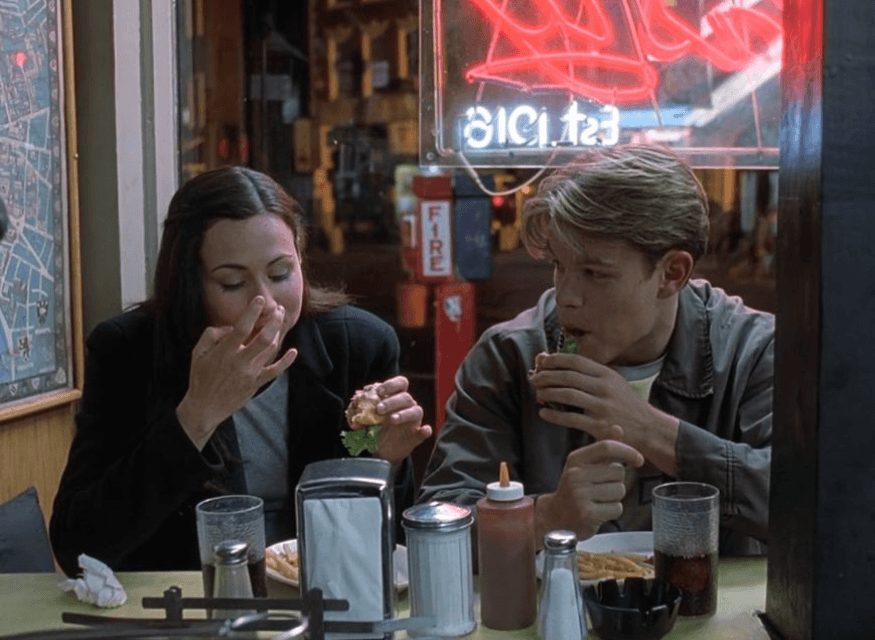
Good Will Hunting
Few dating moments feel as small and strangely loaded as this one.
The check comes.
She reaches for her wallet.
She says, “We can split it.”
And suddenly you’re frozen, trying to decide what this moment means and what you’re supposed to do next.
It feels like a financial question.
It isn’t.
It’s a communication question.
Why This Moment Feels Bigger Than It Should
Early dating is full of ambiguity.
You don’t know where you stand yet. You’re still reading energy, interest, momentum. Small moments start carrying more weight than they should because there isn’t much context to balance them out.
The bill becomes one of those moments.
Not because of the money, but because of what it signals, especially if you’re already navigating uncertainty like How Do I Know If She’s Actually Interested.
What the Gesture Usually Means
When someone offers to split early on, it’s often just that. A gesture.
Polite. Considerate. Socially expected.
It doesn’t always mean she wants to split. And it doesn’t automatically mean she doesn’t.
The mistake is treating the gesture like a test you need to pass instead of a moment you can simplify. Dating research from Psychology Today has shown that many early-date behaviors are driven more by etiquette than intention.
“She’ll probably reach for her wallet.”
That reach isn’t always a request. Sometimes it’s just etiquette.
Why Accepting Can Send the Wrong Signal
Early dating runs on clarity.
Small choices get interpreted quickly because neither person has much information yet. When you accept splitting too early, it can unintentionally communicate distance.
“She’ll be like, ‘Oh, he didn’t like me.’”
That may not be fair. It may not even be logical. But early dating isn’t about fairness or logic. It’s about perception, something The Atlantic has explored in how modern dating amplifies small signals.
You’re not paying because you owe something.
You’re paying because you’re interested.
This Isn’t About Tradition
This isn’t about old rules or outdated roles.
It’s about reducing confusion at a moment when confusion is already high.
If you asked her out and chose the place, covering the bill keeps the message clean.
“If you ask somebody out, I think you should pay.”
That’s not pressure. That’s clarity, especially if you’re trying to avoid situations like How Should I Respond When Someone Cancels a Date where ambiguity compounds.
Why Drinks and Coffee Matter Here
There’s a reason casual first dates work so well.
They’re flexible. Low pressure. Affordable. Easy to extend or end.
Choosing a simple date makes paying easier and removes the financial tension altogether.
“That’s why drinks or coffee are really good first dates.”
You’re not proving anything. You’re creating space for connection without unnecessary friction, a point also echoed in dating etiquette breakdowns from Verywell Mind.
When Splitting Does Make Sense
As dating progresses, things change.
Comfort builds. Expectations settle. Effort becomes mutual.
By the third or fourth date, splitting or alternating feels natural instead of symbolic.
“By the third or fourth date, there’s a comfort that develops.”
At that point, money stops carrying meaning. You’re no longer signaling interest. You’re sharing momentum, which aligns with navigating pacing covered in How Fast Should I Text Back.
The Rule That Simplifies Everything
If you’re looking for a clean way to think about this, it comes down to intention.
If you asked her out and picked the place, pay.
If she suggests the date or initiates the plan, sharing feels more natural.
“If you’re asking her on the date and you’re picking the place, you should pay.”
Simple rules reduce overthinking.
Why Overthinking This Hurts More Than the Bill Ever Will
The biggest mistake isn’t paying or splitting.
It’s turning the moment into an internal debate about worth, leverage, or power.
Trying to optimize every interaction makes dating exhausting.
Clarity early saves energy later.
What This Question Is Really About
This isn’t about money.
It’s about how to show interest without overperforming.
How to be confident without being rigid.
How to communicate attraction without turning it into a transaction.
Paying early doesn’t make you old-fashioned.
It makes you clear.
And clarity is attractive.
The Healthiest Way to Think About It
You’re not buying affection.
You’re not setting a precedent you can’t change.
You’re not losing leverage.
You’re just making the moment easier.
That’s it.
Dating doesn’t need to be a negotiation. Sometimes it just needs to feel simple.
Frequently Asked Questions
Should I always pay on the first date?
If you asked her out and chose the place, paying keeps things clear early on.
What if she insists on splitting?
If she genuinely insists, respect it. Clarity matters more than control.
Does paying mean she owes me something?
No. Paying is a signal of interest, not an expectation.
When is it okay to start splitting the bill?
Usually by the third or fourth date, when comfort and momentum are established.
What if money is tight?
Choose simpler dates. Coffee or drinks remove pressure without changing the signal.
Guyset may earn a commission when you purchase through links on this page.
Read More

When To Text After Getting Someone's Instagram
The answer isn't three days, three hours, or three minutes. It's much simpler than that.

How To Tell If Somebody Wants Something Casual or Serious
The difference usually shows up in how consistently and intentionally someone chooses to be part of your life.

What To Look For In A Relationship
The Most Important Qualities To Look For In A Healthy Relationship

When Should You Become Exclusive?
Exclusivity should happen when you're ready to stop dating other people and build one relationship.