How to Reset a Bad Day Before It Ruins Your Night
A simple way to stop one bad day from turning into a bad week
By
Josh Felgoise
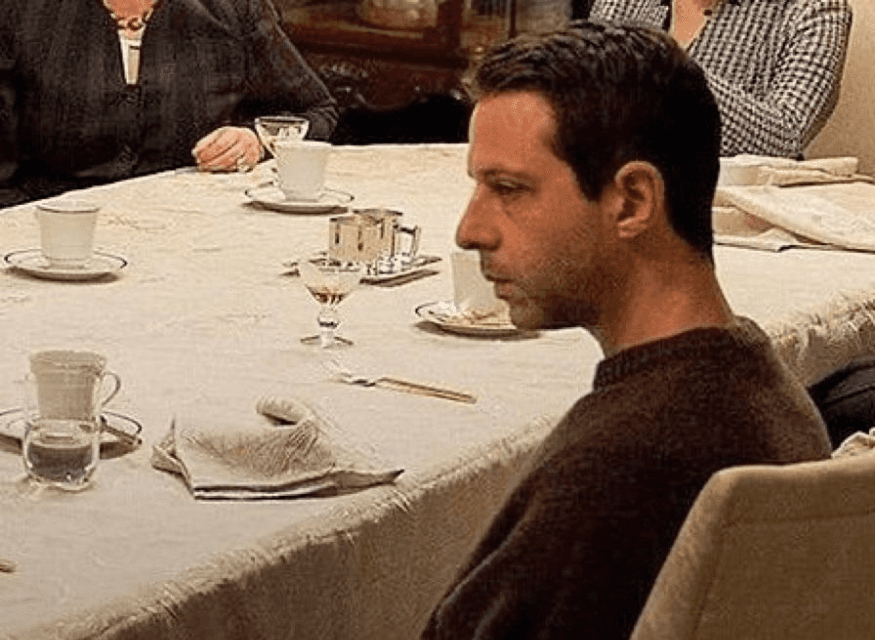
You know the kind of day.
You miss every train.
It starts raining the second you step outside.
Slack won’t stop pinging.
Your energy is gone before 3 p.m.
You’re sitting at your desk, slouched over, irritated at everything.
“I had a day and it was just one of those days where everything went the opposite of how I wanted it to go.”
The dangerous part is not the bad day itself.
It’s letting it bleed into the night.
You go home tense.
You scroll for two hours.
You go to bed still annoyed.
Now one bad afternoon becomes a bad mood that lingers.
You do not have to let that happen.
You can reset.
First, Stop Sitting There and Suffering
The worst version of a bad day is the one where you just sit in it.
“Just being very unintentional with my time… just overall feeling very tired.”
That state is passive. And passive makes everything heavier.
If this sounds familiar, it overlaps directly with How To Stop Feeling Overwhelmed All the Time, because overwhelm is rarely about workload. It’s about mental clutter.
Stand up.
Change posture.
Interrupt the spiral physically first.
Get It Out of Your Head and Onto Paper
When everything feels overwhelming, it usually is not everything.
It is three or four things swirling together.
“I got a blank piece of paper and a pen and I literally just wrote out my tasks.”
Writing forces clarity.
Research published by the American Psychological Association shows that expressive writing reduces rumination and lowers stress because it organizes scattered thoughts into structured ones.
Overwhelm thrives in abstraction.
Clarity shrinks it.
This same principle is why Why Do I Feel Behind In My 20s? works so well. Putting thoughts on paper reduces their emotional intensity.
Step Away Before You Snap
If you stay in the exact same chair, in the exact same room, staring at the exact same screen, nothing changes.
“I leave the office… and go take a 10 to 20 minute walk.”
It does not have to be 20 minutes.
It can be five.
Harvard Health has reported that short walks lower cortisol levels and improve mood regulation, even in brief sessions.
You are not avoiding responsibility.
You are regulating your nervous system.
There is a difference.
Hydrate and Regulate
This sounds basic.
It works anyway.
“I feel like a lot of times throughout the day, I am honestly just dehydrated.”
Even mild dehydration can increase fatigue and irritability, according to research summarized by the Cleveland Clinic.
Small physical resets create mental space.
Water.
Breathing.
Pause.
The brain follows the body.
Move Your Body Like a Lunatic If You Have To
This is the one people laugh at.
Until they try it.
“If you put on your favorite music and just jump around in your room… nothing is better than that.”
Exercise releases endorphins and reduces stress hormones. That is not motivational fluff. That is physiology.
Whether it’s lifting, walking, or literally dancing alone, movement breaks emotional stagnation.
If you are stuck in a mental spiral, this connects directly to Is It Normal to Feel Lost After College?, because spiraling is rarely cognitive. It is physical tension that never gets discharged.
Loosen the body.
The mind follows.
Change the Channel in Your Head
A bad day becomes dangerous when you start narrating it.
Nothing goes my way.
Everyone is annoying.
The world is against me.
“You have the power to change the channel in your head.”
Cognitive behavioral research consistently shows that reframing thoughts shifts emotional intensity. Not by lying to yourself. By choosing a different interpretation.
A bad 4 p.m. does not deserve your 9 p.m.
You can decide that.
Do Something Intentional
Scrolling feels like relief.
It is not.
“Devoting 45 minutes… to the program of your choice.”
Intentional downtime restores.
Mindless scrolling prolongs.
The National Institute of Mental Health has noted that passive screen consumption often increases stress and comparison-based anxiety.
Choose something.
A workout.
A book.
A call with someone you trust.
Even venting helps. Sometimes you just need to “spew everything” to someone who says they hear you.
Reset is active.
Spiral is passive.
The Reset Is the Point
The common thread through all of this is simple.
Reset.
Stand up.
Write it down.
Walk away.
Drink water.
Move.
Choose intentionally.
Bad days are normal.
Letting them ruin your night is optional.
You can feel overwhelmed at 4 p.m. and still have a good 8 p.m.
You just have to interrupt the spiral before it hardens.
Tonight, choose the reset.
FAQ
How do you reset a bad day quickly?
Stand up, write down what’s bothering you, step away for a short walk, hydrate, and do one intentional activity. Small physical shifts help reset your mindset.
How do I stop a bad day from ruining my night?
Interrupt the spiral before you get home. Change your posture, clear your thoughts on paper, and choose something intentional instead of scrolling.
Why does writing down tasks reduce stress?
Writing organizes scattered thoughts and reduces mental clutter. Seeing tasks clearly makes them feel manageable instead of overwhelming.
Does going for a walk really help with stress?
Yes. Even a short walk lowers stress hormones and improves mood by shifting your body out of tension mode.
What is the fastest way to calm down when overwhelmed?
Change your physical state first. Stand up, breathe deeply, drink water, and move your body. Your brain follows your body.
Guyset may earn a commission when you purchase through links on this page.
Read More

How To Stop Procrastinating and Finally Get Things Done
Practical ways to stop putting things off, get started, and actually follow through.

How To Know If You’re Making the Right Decision
How to make a difficult decision when you’re unsure what to do, stop searching for the perfect answer, and feel more confident about the choice you make.

How To Stop Second-Guessing Yourself
How to trust your decisions, stop replaying every possible outcome in your head, and move forward without constantly wondering if you made the wrong choice.

How To Know What to Do With Your Life
How to figure out what you want, make a decision about your future, and move forward when you have no idea what the “right” path is.